

Fast Information:
– Ad Click Pay, also known as Pay-Per-Click Advertising is a method where advertisers pay each time a user clicks on their online ad.
– Ads appear on search engine results pages, websites, and within social media platforms.
– The cost of these ads depends largely on the competitiveness of chosen keywords or phrases.
– Through strategic PPC advertising, businesses can drive ROI and effectively reach their target audiences.
Feeling overwhelmed by the constant battle for online visibility? As a small business owner in Cardiff, you might feel like you’re lost in a sea of digital competition. But what if we told you there’s a more direct route to getting your brand noticed? Introducing: Ad Click Pay (also known as Pay-Per-Click or PPC advertising), an efficient pathway that can lead you straight to your potential customers.
With PPC advertising, your tailored ads only require you to pay when a potential customer takes the action to click on them, making it a cost-effective form of advertising. These ads can be neatly nestled at the top of search engine results, website sidelines, or in the middle of a social media news feed. This reaches the people who are most likely to be interested in your products or services.
However, approach with caution, while the basics of PPC are straightforward, managing a successful campaign can be quite complex. Don’t worry though, with RD Internet, you’re not in this alone. We’re here to guide you from understanding to implementation, and optimization of a successful PPC campaign.
Understanding Pay-Per-Click (PPC) Advertising
What is PPC Advertising?
Pay-Per-Click (PPC) advertising is a digital marketing strategy where advertisers pay a fee each time one of their ads is clicked, literally paying for potential customers’ clicks. This model is widely used across various digital platforms, including search engines like Google and Bing, social media sites like Facebook and Instagram, and even online marketplaces like Amazon. But remember, it’s not just about getting clicks. The real value of PPC comes from those clicks leading to conversions – whether that means a sale, a sign-up, a download, or any other action you want your website visitors to take.
How Does PPC Advertising Work?
The PPC process begins when you set up a campaign on a platform of your choice. You decide where your ads will be displayed, how much you’re willing to spend on each click, and what your total budget will be. You only pay when someone clicks on your ad. Each PPC platform offers different targeting options, so you can choose exactly who sees your ads. For example, you can target users based on demographics, keywords, topics, and even whether they’ve visited your website before, a technique known as remarketing or retargeting. This level of control enables you to optimize your campaign and adapt quickly if needed.
Different Types of PPC Ads
PPC campaigns can be highly effective for driving targeted website traffic and achieving various marketing objectives. There are different types of PPC campaigns, each with its own set of benefits:
-
Search Ads: These ads appear on search engine results pages (e.g., Google, Bing) when users enter relevant keywords. They allow advertisers to target users actively searching for specific products or services, increasing the likelihood of conversions. They’re best for direct response marketing, lead generation, and driving relevant traffic to specific landing pages.
-
Display Ads: Display ads include banner, image, or interactive ads that are shown on various websites within the ad network. They provide a broader reach, increasing brand awareness and visibility. They’re best for building brand awareness, retargeting website visitors, and promoting visual content like infographics and videos.
-
Shopping Ads: Shopping ads are product-based ads that show images, prices, and other relevant information directly on search engine results. They’re particularly effective for e-commerce businesses, showcasing products and attracting users with high purchase intent. They’re best for e-commerce websites looking to promote specific products and drive sales.
-
Video Ads: Video ads are shown on platforms like YouTube and can deliver engaging content to captivate the audience. They are highly effective for storytelling and brand messaging. They’re best for brand awareness, storytelling, and showcasing products or services through visual media.
The Importance of PPC in Digital Marketing
PPC advertising plays a crucial role in digital marketing. It offers quick results, unlike SEO, which can take time to generate organic traffic. PPC campaigns can instantly boost your online visibility and drive significant traffic to your website. By targeting users who are actively seeking your products or services, PPC increases the likelihood of conversions, leading to a direct impact on your revenue. Furthermore, the data gathered from PPC campaigns can provide invaluable insights into your audience’s behavior and preferences, allowing you to refine your strategies and drive even better results.
Understanding PPC advertising is your first step towards mastering ad click pay. At RD Internet, we strive to support you in this journey, offering expert guidance and practical solutions tailored to your specific needs and goals.
How Much Can You Earn with Ad Click Pay?
Navigating ad click pay can seem daunting, especially when it comes to understanding potential earnings. However, at RD Internet, we’re here to demystify the process and give you a clear picture of what you can expect.
Average Earnings from PPC Ads
The amount you can earn from pay-per-click (PPC) ads varies, depending on the nature of the ad displayed. On average, a website can earn about $0.10 to $1 per click. However, this is not a fixed rate and can fluctuate based on several factors, which we will delve into more in the next section.
Factors Influencing Ad Click Pay
When it comes to ad click pay, several factors influence the amount you can expect to earn. These include:
-
Keyword relevance: The keywords you choose to bid on should align with the search terms your target audience is using. This ensures your ads reach the right people, increasing the likelihood of clicks.
-
Ad and landing page quality: Google rewards high-quality ads and landing pages with better ad placements and lower costs. This can significantly impact your earnings from ad click pay.
-
Account structure: A well-structured PPC account is crucial for maximising your earnings. This includes organising keywords into relevant campaigns and ad groups, as well as optimising your landing pages for conversions.
-
Competition and industry: The level of competition for certain keywords and the industry you’re in can also affect your earnings. Some industries have a higher cost-per-click (CPC) due to high competition.
A successful PPC campaign is not just about earning from each click but also about driving quality traffic and conversions.
High-Paying Advertisers and Their Rates
High-paying advertisers can significantly increase your earnings from ad click pay. These advertisers can offer up to $6 to $7 per click. However, bear in mind that high-paying ads are often less frequent, and the cost per click can range from as low as $0.01 to upwards of $15 or more.
The key to maximising your earnings from high-paying advertisers is to target your ads effectively. This involves understanding your audience, choosing the right keywords, and providing high-quality ad content and landing pages.
At RD Internet, we’re committed to helping you navigate ad click pay effectively. By understanding the factors that influence your earnings and implementing effective PPC strategies, you can turn ad click pay into a significant revenue stream for your business.
Setting Up a Successful PPC Campaign
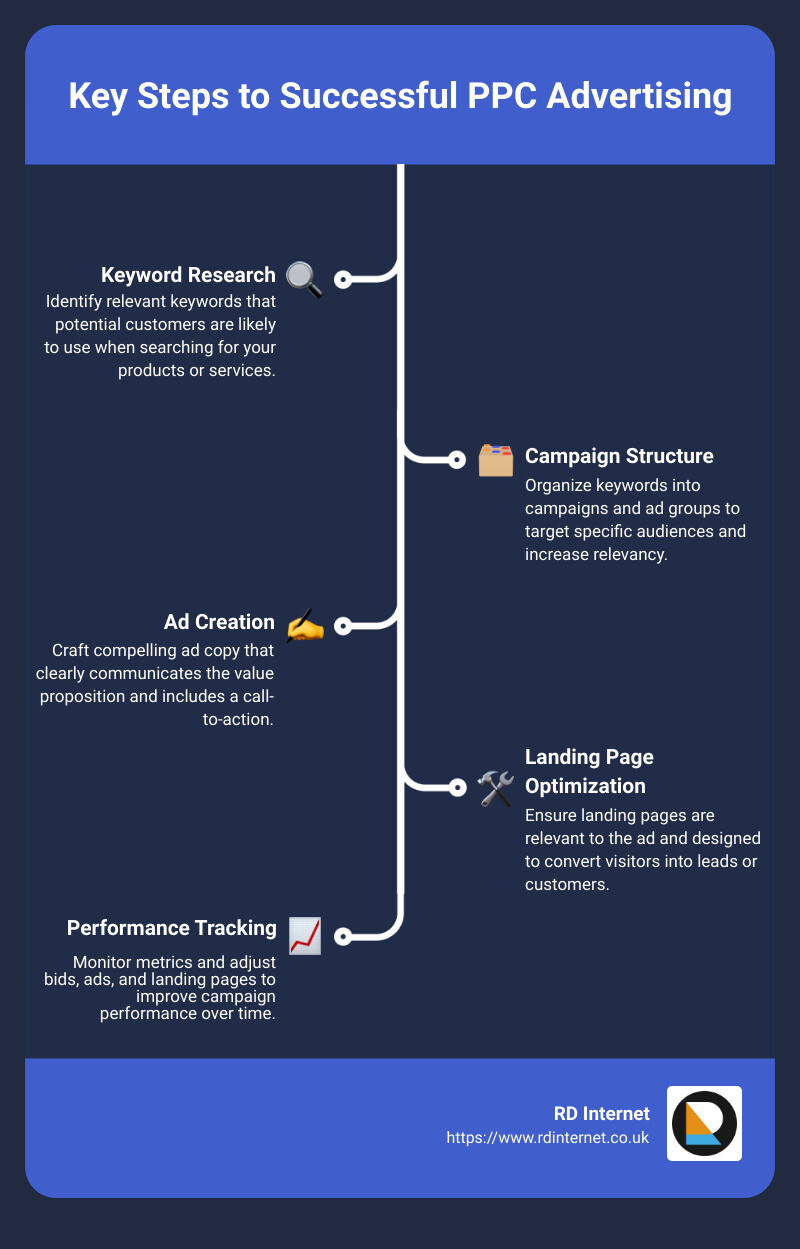
For a small business owner looking to boost their online presence and increase revenue, setting up a successful PPC campaign is crucial. A well-structured campaign can ensure that you get the most out of your ad click pay. Let’s explore the key steps involved.
Choosing the Right Keywords for Your Ads
Keywords are the bridge that connects your ads with your potential customers. It’s essential to select keywords that reflect what your target audience might be searching for. Tools like Google Keyword Planner can help you find relevant keywords and understand their potential impact. Choosing the wrong keywords can result in wasted ad spend and missed opportunities.
Organizing Keywords into Campaigns and Ad Groups
Once you have your keywords, it’s a good idea to organize them into campaigns and ad groups. This is where keyword clusters come into play. By grouping related keywords into clusters, you can create more targeted and effective ads. For example, all keywords related to “dog food for large breeds” can be grouped into one ad group. This ensures that your ads are presented to the most relevant audience, improving your chances of generating clicks and conversions.
Optimizing Landing Pages for Conversions
The landing page is the first thing a potential customer sees after clicking your ad. It’s essential that this page provides the information the visitor is looking for and guides them towards the action you want them to take. That a well-optimized landing page can significantly improve your conversion rate, leading to higher earnings from ad click pay.
Setting Up a PPC Campaign with Google Ads
Setting up your PPC campaign on Google Ads involves several steps. To begin with, you’ll need to create your ads. This involves writing catchy headlines and descriptions that grab users’ attention. Next, set your budget based on your overall marketing budget and campaign goals. Finally, review your campaign settings, keywords, ads, and budget before launching your campaign.
At RD Internet, we understand that setting up a successful PPC campaign can seem daunting. But with careful planning and strategic decisions, you can turn ad click pay into a profitable revenue stream. What works for one business may not necessarily work for another, so it’s important to keep testing and optimizing your campaigns. With our expert guidance and support, you can confidently navigate PPC advertising and achieve your business goals.
Best Practices for Maximizing Earnings from Ad Click Pay
Succeeding with ad click pay requires more than just setting up your campaigns and letting them run. It involves strategic planning, regular monitoring, and constant tweaking. To maximize your earnings, you need to follow certain best practices.
Using Negative Keywords
One key aspect of PPC is using negative keywords. These are keywords you want to exclude from your campaigns to prevent irrelevant traffic. By doing so, you avoid wasting your budget on clicks that are not likely to convert. For example, if you sell new cars, you might want to exclude the term “used cars” from your campaign.
Trying Different Bidding Strategies
Experimentation is crucial in PPC advertising. Don’t be afraid to test out different bidding strategies. Google Ads offers various strategies based on your goals. For instance, if you’re focused on conversions, you can use Smart Bidding strategies like ‘Target CPA’ or ‘Maximize conversions’. If you’re more interested in visibility, you might opt for CPM (cost-per-thousand impressions) bidding.
Adjust your bids based on specific factors like device type, time of day, and location to improve cost-efficiency. Let’s say, for instance, your data shows lower conversion rates on mobile devices. In that case, you could decrease your maximum cost-per-click (CPC) bid for clicks from mobile devices.
Optimizing Ad Copy
The success of your ads also heavily depends on the quality of your ad copy. A compelling, relevant ad copy grabs users’ attention and encourages clicks. Google tries out different combinations of headlines and descriptions and displays the best-performing ones the most. Keep your ads updated with fresh copy, so Google can keep testing and improving.
If you need inspiration, you can use tools like Advertising Research to see what ad copy your competitors are using.
Using Ad Scheduling and Bid Adjustments
Ad scheduling is another powerful feature that you can use to optimize your PPC campaign. This feature allows you to adjust bids or stop bidding altogether based on the time of the day. If your data shows that your website visitors are more likely to convert at certain times, you can focus your bids during those periods.
To make this adjustment, you need to go to the “Audiences, keywords, and content” drop-down menu in your account and select “Ad schedule”. By focusing on times when users are more likely to convert, you avoid wasting your budget on clicks that aren’t converting.
In conclusion, maximizing your earnings from ad click pay is not a one-time task. It requires continuous monitoring, testing, and adjusting. But with these best practices and our expert guidance at RD Internet, you can enhance the effectiveness of your PPC ads and drive success for your business.
Tools and Resources for Effective PPC Management
To make the most of your ad click pay, you need to use the right tools and resources. These tools can help you manage your PPC campaigns effectively, optimise your ad performance, and maximise your earnings. At RD Internet, we recommend two key tools for effective PPC management: the Google Ads Performance Grader and Advertising Research.
Google Ads Performance Grader
The Google Ads Performance Grader is one of the most effective tools for managing your PPC campaigns. This tool gives you a detailed report on your account performance, grading your account in key areas such as click-through rate, Quality Score, and overall account activity.
By using this tool, you can identify areas of improvement and focus your attention on the aspects that need it the most. This can be a game-changer in optimising your PPC campaigns and getting the most out of your ad spend.
At RD Internet, we regularly use the Google Ads Performance Grader to monitor and optimise our clients’ PPC campaigns. It’s a crucial part of our process to ensure we’re delivering the best results possible.
Advertising Research for Competitor Insights
Another tool we find highly beneficial is Advertising Research. This tool allows you to look at what ad copy your competitors are using. By entering a competitor’s domain, you can see the exact headlines and descriptions they use in their Google search ads, and which keywords trigger them.
This can be incredibly useful for brainstorming ideas for your own ad copy. It can give you insights into what’s working for your competitors, which you can then use to enhance your own ads.
At RD Internet, we use Advertising Research to keep our clients’ PPC campaigns fresh and competitive. By understanding what their competitors are doing, we can help them stand out and attract more clicks.
To summarise, effective PPC management is about more than just setting up ads and hoping for the best. It requires strategic planning, continuous monitoring, and the use of the right tools. With the Google Ads Performance Grader and Advertising Research, you can take your PPC campaigns to the next level and maximise your ad click pay.
Ready to boost your online advertising efforts? Get in touch with us at RD Internet today, and let’s turn your PPC campaigns into a powerful revenue stream!
Conclusion: Turning Ad Click Pay into a Profitable Revenue Stream
Pay-per-click (PPC) advertising is a powerful tool in the digital marketing arsenal. This guide provided a snapshot of how ad click pay works, the potential earnings, and the key strategies to maximize your returns.
Successful PPC campaigns don’t happen overnight. They require careful planning, strategic targeting, and constant optimization. You need to understand your audience, choose the right keywords, craft compelling ad copies, optimize your landing pages, and keep track of your performance.
Every click on your ad is a potential customer. The goal is not just to drive traffic but to convert that traffic into paying customers. And with the right approach, PPC advertising can become a steady and significant revenue stream for your business.
At RD Internet, we understand that managing PPC campaigns can be complex and time-consuming, especially for busy business owners. That’s why we’re here to help. Our team of experts have the knowledge and experience to manage your PPC campaigns effectively, freeing you up to focus on what you do best – running your business.
So, are you ready to transform your ad click pay into a profitable revenue stream? Contact us today, let’s make it happen!

For more insights on digital marketing strategies, check out our blog for a wealth of information. And for those who are just starting, our get started with pay per click advertising guide is a must-read.
The world of PPC advertising is dynamic and ever-evolving. Stay ahead of the game, keep learning, and keep optimizing. And most importantly, don’t hesitate to seek professional help when needed. Your success in PPC advertising is our success. Let’s turn those clicks into cash together!
Recent Comments