

In the bustling digital marketplace, standing out from the crowd is a challenge that every small business owner faces. The competition is fierce, and the struggle to capture the attention of potential customers can sometimes feel overwhelming. As a small business owner in Cardiff looking to improve your online presence and increase revenue, Pay Per Click (PPC) advertising might be your secret weapon.
PPC advertising, when executed effectively, can catapult your brand to the top of search results, increase your website traffic, and ultimately, drive your sales revenue upwards. As experts in the field, we at RD Internet are here to guide you through the intricacies of PPC advertising, helping you to harness its potential and achieve your business goals.
In this guide, we will delve into the world of PPC advertising, exploring the best strategies to maximize your return on investment. We’ll uncover the most used PPC platforms, understand the bidding system, and even reveal how much you can expect to earn from your ads. This will be an invaluable resource for you as you navigate the dynamic landscape of digital marketing and strive to outshine your competitors.
Brief Overview of Pay Per Click Advertising:
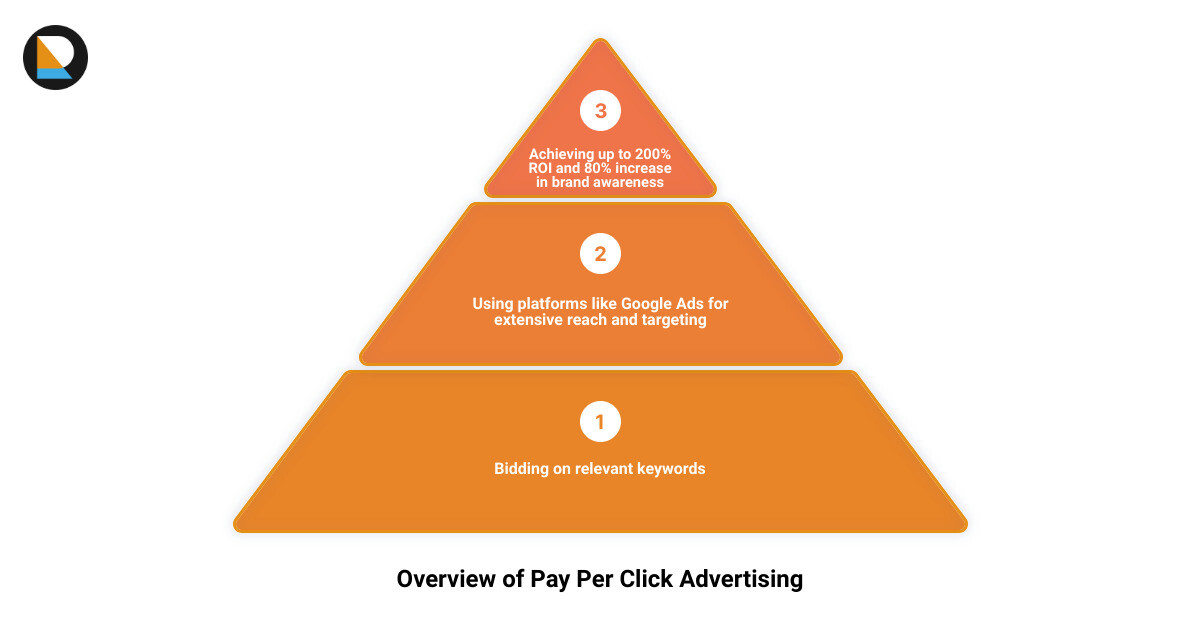
– PPC operates on a bidding system where advertisers bid on keywords relevant to their business.
– The most used PPC platform is Google Ads, known for its extensive reach and advanced targeting options.
– The returns from PPC ads can vary widely, typically a website can earn from $0.10 to $7 per click.
– PPC advertising can result in an 80% increase in brand awareness.
– A well-designed PPC campaign can deliver a 200% ROI.
Stay with us as we embark on this journey to master the best pay per click advertising strategies together.
Understanding Pay Per Click Advertising
What is Pay Per Click Advertising?
Pay Per Click (PPC) advertising is a digital marketing strategy where advertisers pay a fee each time their ad is clicked by a user. It’s like buying visits to your site, instead of attempting to “earn” those visits organically. PPC advertising is a fast track way to increase online visibility and drive traffic to your website.
As Mark Edwards, our expert at RD Internet, describes it: “Pay Per Click (PPC) advertising is akin to a fast track lane to the top of search engine results. It’s an online marketing model where you pay a fee each time a user clicks on your ad.”

How Does Pay Per Click Advertising Work?
In PPC advertising, the process starts with advertisers bidding on keywords relevant to their business on different PPC platforms, with Google Ads being the most popular one. When a user performs a search using those keywords, the search engine displays the highest bidding ads. However, it’s not just about bidding high; search engines also consider the quality and relevance of your ads and landing page. Therefore, well-optimised, high-quality ads often rank better, even if they have a lower bid.
In simpler terms, you pay the search engine a small fee every time your ad is clicked, sending a visitor to your website. If your PPC campaign is well-designed, that fee will be trivial because the visit is worth more to your business than what you pay for it.
Is Pay Per Click Advertising Worth It?
The value of PPC advertising can be measured by the potential return on investment (ROI) it offers. According to Google, the average business makes $2 in revenue for every $1 spent on Google Ads. That means on average, you can enjoy a 200% ROI from PPC advertising.
Additionally, it’s also worth noting that PPC advertising can have a significant impact on brand awareness. A successful Google paid ad can result in an 80% increase in brand awareness, making it a vital tool for small businesses looking to make a mark in their industry.
Is Pay Per Click Advertising Profitable?
The profitability of PPC advertising comes from its targeted approach. Essentially, you’re paying for targeted visits to your website. When PPC is working correctly, the fee is trivial because the click is worth more than what you pay for it. For example, if you pay $3 for a click, but the click results in a $300 sale, then you’ve made a hefty profit.
However, it’s important to remember that the success and profitability of PPC advertising largely depend on the effectiveness of your campaign, the relevance of your keywords, and the quality of your landing page.
To conclude, mastering PPC advertising can significantly increase your brand visibility and revenue. It’s a direct, targeted, and cost-effective advertising strategy that can deliver impressive results when done right. Stay tuned as we delve deeper into the strategies for successful PPC advertising in our upcoming sections.
The Importance of Choosing the Right PPC Platform
The world of online advertising can feel like a jungle with various paths leading to different destinations. Just as you wouldn’t venture into this wilderness without a map, it’s essential to select the right pay per click (PPC) platform to navigate your online advertising journey successfully.
Why Choosing the Right PPC Platform Matters
Choosing the right PPC platform is like picking the right vehicle for a road trip. The journey you take depends on your destination and the terrain you’ll cross. Similarly, the PPC platform you choose should align with your business objectives, target audience, and budget.
The right PPC platform can ultimately determine the success of your campaign. Each platform comes with its unique user base, ad formats, and cost per click, influencing how your ads will perform. For instance, a video ad that works well on YouTube might not resonate with the TikTok audience, who prefer entertaining, user-created content.
Factors to Consider When Choosing a PPC Platform
When choosing a PPC platform, it’s important to consider several key factors.
1. Understanding of Data and Keyword Research Strategy: The success of your PPC campaign depends on how effectively the platform uses advanced analytics and reporting to understand which ad segments and copy are most effective. Look for platforms that offer intent-driven keyword selection as it can boost your return on investment.
2. Knowledge of Local and Mobile Search: In today’s digital landscape, local and mobile searches are crucial. Mobile devices account for 60 percent of all searches worldwide. Therefore, ensure the chosen platform optimizes your campaigns for local and mobile search.
3. Communication and Collaboration Skills: The platform should offer transparent reporting on how your advertising budget is spent and what results it produces.
4. Industry Experience and Certificates: An experienced PPC platform stays up-to-date with the latest industry trends and updates.
5. Service Fees, Reviews, and Testimonials: The cost of PPC management services can vary greatly, so it’s essential to find a platform that fits within your budget while still offering high-quality services.
Choosing the right PPC platform is not a decision to be taken lightly. It requires careful consideration of your business goals, budget, and understanding of the platform’s capabilities. As we delve deeper into the top 10 best PPC platforms in the next section, you’ll get a clearer picture of which platform might be the best fit for your business.
Top 10 Best Pay Per Click Advertising Platforms
To navigate the complex world of PPC advertising effectively, it’s essential to understand the unique features and benefits of each platform. Let’s explore the top 10 best pay per click advertising platforms that you can leverage to skyrocket your online visibility and sales.
Google Ads: The Most Used Pay Per Click System

There’s no denying that Google Ads is the undisputed king of PPC advertising. With over 73% of the market share globally, it offers an unparalleled reach. From small neighborhood businesses to multinational corporations, Google Ads remains the go-to platform for advertisers worldwide. Its dominance is backed by impressive numbers – 105,000 searches every second, 8.5 billion searches every day, and 2 trillion global searches per year. Whether your audience is local or global, Google Ads provides a robust platform for reaching them.
Facebook Ads: Demographic Targeting and Native Content Ads
For businesses targeting specific demographics, Facebook Ads (now known as Meta Ads) is an excellent choice. With this platform, you can show highly-targeted ads to users based on their age, location, interests, and more. Additionally, Facebook Ads excels in native content ads, allowing businesses to blend their promotional content seamlessly with the regular user feed.
Microsoft Advertising: Affordable CPC and High-End Demographic
Formerly known as Bing Ads, Microsoft Advertising provides an affordable alternative to Google Ads. While it doesn’t have the reach of Google, it targets a more high-end demographic, which can prove beneficial for businesses offering premium products or services.
LinkedIn Ads: Targeting Professionals with Sponsored Posts and InMail
LinkedIn Ads is the go-to platform for B2B companies. With its ability to target users based on their professional background, it’s the perfect platform for businesses selling products or services to other businesses. LinkedIn’s sponsored posts and InMail features allow you to reach your target audience directly in their feed or inbox.
Twitter Ads: Diverse Ad Formats and Targeting Options
Twitter Ads offers a variety of ad formats, including promoted tweets, accounts, and trends. Advertisers are charged on a cost-per-engagement or cost-per-click basis, making it a flexible option for businesses with different advertising budgets.
Instagram Ads: Visual Storytelling and High Engagement Rates
Instagram, owned by Meta, is a visual platform that excels in showcasing products through stunning images and videos. Instagram Ads allow businesses to tell visual stories, leading to high engagement rates. From photo ads to stories ads, this platform offers several ways to capture the attention of your audience.
Pinterest Ads: Reaching a Creative and Purchase-Ready Audience
Pinterest Ads offers a unique opportunity to reach a creative and purchase-ready audience. With its focus on visual discovery and inspiration, Pinterest is an excellent platform for businesses in the fashion, home decor, and food industries.
YouTube Ads: Leveraging Video Content for Higher Engagement
YouTube, part of the Google Ads network, allows businesses to leverage video content for higher engagement. With various ad formats like in-stream ads, display ads, and overlay ads, YouTube offers multiple ways to reach your target audience.
TikTok For Business: Reaching a Young and Trend-Savvy Audience
TikTok has emerged as a powerful platform for reaching a young and trend-savvy audience. With TikTok for Business, you can create in-feed video ads, branded effects, and more to engage with this dynamic demographic.
Snapchat For Business: Engaging a Young and Active User Base
Snapchat is another platform targeting a young audience. With Snapchat for Business, you can create engaging stories and filters to capture the attention of this active user base.
When considering these platforms, keep in mind that the best choice will depend on your business goals, target audience, and budget. You may also choose to use multiple platforms to maximize your reach. As experts at RD Internet, we can help you navigate these choices and create a PPC strategy tailored to your business needs.
Remember, the ultimate aim of PPC advertising is not just to generate clicks, but to convert these clicks into customers. This requires an in-depth understanding of the platform’s workings, consistent tracking of campaign performance, and continual optimization of your advertising strategy.
Strategies for Successful Pay Per Click Advertising
Stepping into the world of pay per click advertising can be intimidating, but armed with the right strategies, you can make your campaigns work for you. At RD Internet, we’ve seen firsthand how these techniques can transform a business’s online presence. Let’s dive into the key strategies that you can implement to take your PPC advertising to the next level.
Defining Your Goals for PPC Advertising
The first step in any successful PPC campaign is establishing clear, measurable goals. Are you looking to boost brand awareness, increase website traffic, drive online sales, or generate new leads? As RD Internet expert explains, “having a clear goal in mind will guide your campaign strategy and provide a benchmark to measure your success”.
Tailoring Your Ads to Each Platform
Each PPC platform has its own unique characteristics and audience, so it’s crucial to optimize your ads for each one. Google Ads, for example, are great for reaching a wide audience, while LinkedIn Ads can help you connect with a more professional demographic. As we’ve highlighted in our comprehensive guide to PPC platforms, understanding the strengths and weaknesses of each platform can help you decide where to focus your advertising efforts.
Testing and Improving Your Ads
Optimization is a continuous process. Regular A/B testing of your ad copy, images, and call-to-actions can provide valuable insights into what resonates with your audience. Don’t be afraid to experiment with different ad formats and targeting options. As RD Internet expert advises, “PPC is not a set-it-and-forget-it strategy; it requires constant monitoring and optimization.”

Setting and Adjusting Your Advertising Budget
Budgeting is a critical aspect of PPC advertising. It’s not just about how much you spend, but how wisely you spend. Monitor your ad spend closely and adjust your budget based on the performance of your ads. Remember, successful PPC advertising is about getting the best return on your investment, not just getting the most clicks.
Tracking Conversions and Measuring Success
Last but not least, you should always be tracking your conversions and measuring the success of your campaigns. This will help you understand what’s working and what isn’t, allowing you to tweak your strategy and optimize your ROI. Consider using conversion tracking tools like Google Analytics to keep a close eye on your performance.
Mastering pay per click advertising is an ongoing journey, but with these strategies in your arsenal, you’re well on your way to driving success for your business.
Common Mistakes to Avoid in Pay Per Click Advertising
As we journey through the digital marketing landscape, it’s essential to remember that even the best pay per click advertising strategies can fall short if common mistakes are overlooked. To ensure your campaigns are as effective as possible, we at RD Internet have outlined some common pitfalls to avoid.
Not Defining Goals
One of the primary mistakes businesses make when initiating PPC campaigns is not defining clear, measurable goals. As our expert, RD Internet, has mentioned, whether your aim is to increase website traffic, drive online sales, or generate leads, having a clear goal in mind will guide your campaign strategy and provide a benchmark to measure your success. So, before you dive into PPC, take some time to identify what you want to achieve.
Using the Same Ads Across All Platforms
Another common mistake is using the same type of ad across all platforms. Each PPC platform has its own environment and unique user base, meaning that not all ads will resonate with all audiences. For example, a video you run on YouTube might need to be more professional and product-oriented, while a TikTok ad might be more successful if it’s entertaining and user-created. As Klientboost notes, you can’t expect the same ad to have the same success on all platforms.
Not Testing Enough
This point cannot be overstated: testing is crucial in any PPC campaign. Platforms are constantly evolving, and what worked yesterday might not work today. Therefore, constantly rotating new ads, testing new bidding strategies, and experimenting with new audiences is vital to scaling your success on these platforms.
Setting and Forgetting Campaigns
Setting and forgetting is a big no-no in the world of PPC. It’s easy to think that once you’ve set up your campaign, you can leave it to run its course. However, as the digital landscape changes, so too should your campaigns. Regularly revisiting and tweaking your strategies is key to ensuring your efforts don’t lose relevance or become outpaced by competitors.
Not Properly Tracking Conversions
Lastly, if you’re not tracking conversions correctly, you’re missing out on crucial insights. As our experts at RD Internet have emphasized, proper conversion tracking is essential for any platform where you expect to see conversion-related results. If you’re trying to make more money with your PPC campaigns, you need to track the conversions your paid campaigns get, and you need to track them correctly.
By avoiding these common mistakes in your pay per click advertising strategies, you are not just ensuring a smoother journey, but also setting yourself up for better, measurable results. In the next section, we’ll wrap up our guide by summarizing the key points we’ve learned about mastering PPC for business success.
Conclusion: Mastering Pay Per Click Advertising for Business Success
So, you’ve made it to the end of this comprehensive guide on best pay per click advertising! It’s time to collate all the valuable insights and strategies we’ve covered and put them into action. Remember, the world of pay per click advertising is dynamic and constantly evolving. Therefore, mastering it requires continuous learning, testing, and optimization.
Firstly, we’ve learned that choosing the right PPC platform is crucial. With options ranging from Google Ads, the world’s most used pay per click system, to rising stars like TikTok for Business, your chosen platform needs to align with your business objectives, target audience, and budget.
Secondly, we’ve delved into the power of tailored, platform-specific ads. We at RD Internet believe that each platform has unique features and audience behaviors. Understanding these can help you create engaging and effective ads that resonate with your audience.

We’ve also covered the importance of ad testing and improvement. Regularly updating your ads with fresh and appealing copy, and leveraging ad extensions where possible, can significantly increase your click-through rates and conversions.
Furthermore, we explored how to define and adjust your advertising budget according to your campaign goals and performance. This, along with our expert tips on tracking conversions, will help you measure the success of your campaigns and ensure a positive return on investment.
Lastly, we pinpointed common PPC mistakes that businesses often make, such as not defining clear goals or failing to properly track conversions. Avoiding these pitfalls will set you up for pay per click advertising success.
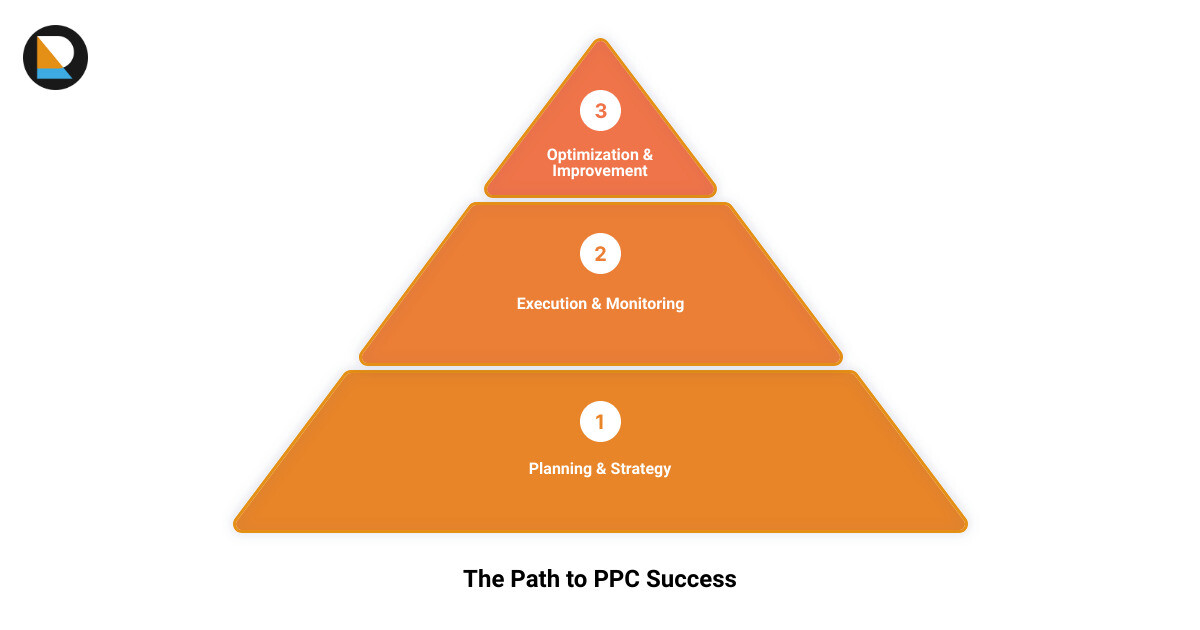
Remember, creating a successful PPC campaign is a detailed process that requires careful planning, strategic executions, and constant monitoring and optimization. But armed with this guide, you’re well on your way to mastering the art of pay per click advertising and driving success for your business.
As Mark Edwards, our expert at RD Internet, states, “The average business makes $2 in revenue for every $1 spent on Google Ads. That means on average, you can enjoy a 200% ROI from PPC advertising. Not too shabby.”
So, whether you’re just starting your PPC journey or are looking to refine your strategies, remember that at RD Internet, we’re here to help you navigate the dynamic world of online advertising. We’ll work with you every step of the way to ensure you’re getting the most out of your ad spend and achieving your business goals.

To wrap it up, PPC advertising is a powerful tool that can transform your online presence and significantly boost your business’s revenue. It’s all about using the right strategies, on the right platforms, for the right audience. And with this guide in hand, you’re more than ready to take your PPC advertising to the next level. Get out there and start making those clicks count!
Recent Comments