

Introduction: The Importance of Driving Traffic to Your Website
In the ultra-competitive digital marketplace, making your business stand out is akin to finding that elusive needle in the haystack. For small business owners in Cardiff, the pressure is immense. The competition is intense, and the requirement for online visibility is paramount. But don’t despair. There are proven strategies to help you rise above the noise and make your business the “needle” that stands out in the haystack. And it all starts with driving traffic to your website.
Your website is your digital storefront, the virtual embodiment of your brand, and often the first point of interaction for potential customers. But a standalone website, no matter how aesthetically appealing or packed with information it may be, is not sufficient. Without visitors, it fails to generate leads or drive sales, rendering it ineffective. Hence, driving traffic to your website is not just important, it’s crucial.
But remember, it’s not just about increasing the number of eyes on your web pages, it’s about attracting the right set of eyes. By targeting potential customers who are most likely to be interested in your products or services, you increase your chances of converting them into actual customers. This is where effective search engine optimization (SEO) and internet marketing strategies come into play.
In this guide, we’ll delve into the secrets of driving massive traffic to your website fast. We’ll cover everything from optimizing your website for search engines, creating high-quality content, leveraging social media, utilizing email marketing, collaborating with influencers, using paid advertising, and engaging with your community to provide you with proven strategies that will boost your online visibility, attract more visitors to your site, and ultimately, grow your business.
So, are you ready to unlock the secrets to drive massive traffic to your website fast? Let’s dive in!
The Power of SEO: How to Optimize Your Website for Search Engines
SEO (Search Engine Optimization) is like the North Star guiding users to your digital doorstep. But it’s not just about attracting more visitors; it’s about drawing the right visitors — those who are more likely to convert into customers.
Understanding SEO and Its Role in Driving Traffic
SEO is a collection of strategies and techniques aimed at increasing a website’s visibility in search engine results, thereby driving more traffic to the site. The higher your website ranks on search engine results pages (SERPs), the more likely potential customers are to click on your link and visit your site.
SEO is a crucial part of any digital marketing strategy as it directly impacts the amount of traffic your website receives. Not just any traffic, but quality traffic from users who are actively searching for what you offer.
Keyword Optimization: Choosing the Right Keywords for Your Content
Keywords are the heart and soul of SEO. They’re the words and phrases that people type into search engines, and they’re crucial for making your website visible in search results. Targeting high-traffic keywords can help you attract more visitors, but don’t overlook the power of long-tail keywords. These are more specific phrases that may get fewer searches, but they’re also less competitive and can attract the most relevant traffic to your site.
To find these traffic-driving keywords, you can use tools like WordStream’s Free Keyword Tool. Remember to strategically place your target keywords in your content, including the title tag, H1 heading, H2 headings, image file names, and alt text.
On-Page SEO: How to Optimize Your Website’s Pages for Search Engines
On-page SEO is all about optimizing your content so that search engines can easily understand what it’s about and rank it in relevant searches. This includes optimizing your meta descriptions, meta titles, and ensuring your keyword is present in your content. But don’t just stuff keywords into your content. Make sure it reads naturally and provides value to your audience.
Additionally, optimize your website’s performance to enhance the user experience, as Google and other search engines prioritize websites that load fast and are easy to navigate.
Off-Page SEO: Building Quality Backlinks for Better Search Engine Rankings
Off-page SEO refers to activities that you do outside of your website to improve its search engine rankings. The main component of off-page SEO is backlinks, which are hyperlinks from other websites to yours. Think of backlinks as votes of confidence from the digital community. Quality backlinks from high-authority sites can significantly boost your website’s credibility and SERP ranking.
Local SEO: Attracting Local Customers to Your Website
If you’re a local business in Cardiff, local SEO should be your best friend. It involves optimizing your website to attract traffic from location-based searches. This includes creating a Google My Business account, gathering positive customer reviews, and optimizing for local keywords.
Technical SEO: Ensuring Your Website’s Performance and Responsiveness
In the fast-paced digital world, no one waits for a slow website to load. Improving your site’s load speed by optimizing technical aspects such as image sizes and third-party plugins is crucial. Moreover, with more traffic occurring on mobile than desktop, it’s essential to ensure that your website is mobile-friendly.
By understanding and implementing these SEO strategies, you’re well on your way to enhancing your online visibility and attracting more potential customers to your business. Stay tuned as we delve deeper into how content can play a significant role in driving traffic to your website.
Content is King: Creating Engaging Content to Attract Visitors
Digital marketing might be a complex weave of strategies and tools, but at the end of the day, content still reigns supreme. It’s like the magnetic force that pulls visitors to your site and keeps them engaged. Let’s unravel the secrets of creating compelling content that can skyrocket your website traffic.
Crafting High-Quality Content: The Key to Attracting and Retaining Visitors
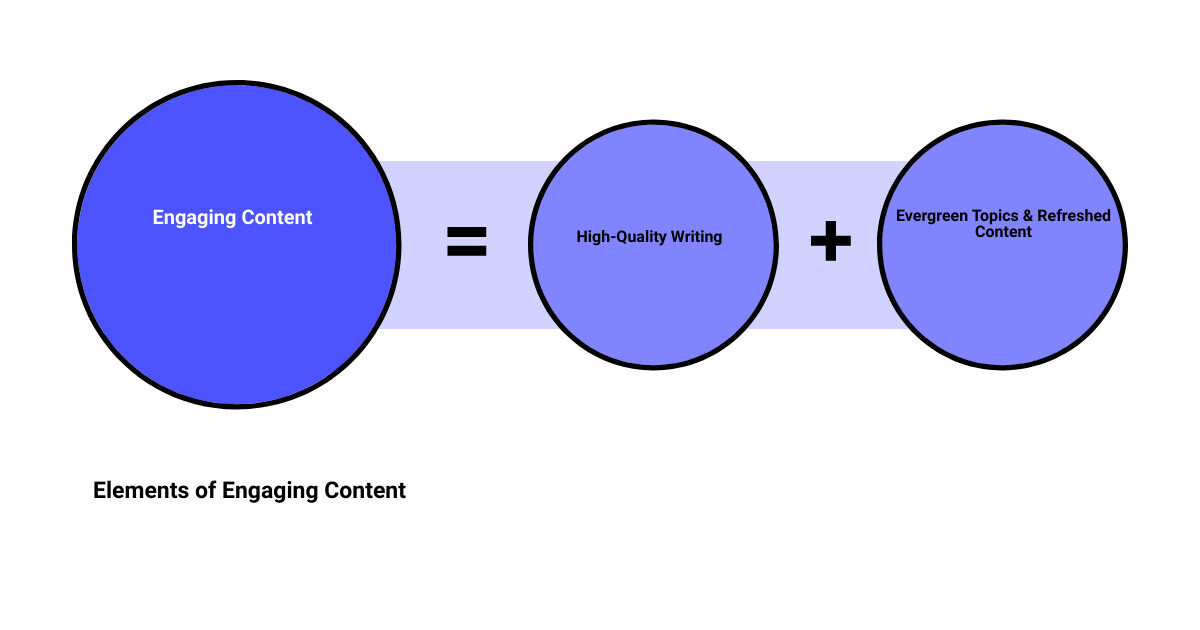
Creating high-quality content is like cooking a gourmet meal – it requires a blend of the right ingredients and the perfect presentation. Just as a chef knows his ingredients, you need to understand your target audience and create content that resonates with their needs and interests. This includes a mix of blog posts, videos, infographics, podcasts, and more, all tailored to cater to different audience preferences. Remember, compelling content not only grabs the attention of your audience but also sparks conversations, provokes thought, and inspires action.
Evergreen Content: Creating Content That Stays Relevant Over Time
In the digital world, time-sensitive content can have a short shelf life. That’s where the power of evergreen content comes in. It’s like the perennial tree that remains green throughout the year. How-to guides, tutorials, and industry tips are examples of evergreen content that remains relevant and continues to attract visitors long after it’s been published. Aim to cover your topics comprehensively, keep it updated with the latest information, and you’ll have a powerful tool to boost your website traffic.
The Role of Visuals: Using Images and Videos to Enhance Your Content
Visuals are like the garnishing on your gourmet meal – they make the dish more appealing and appetizing. Incorporating images, infographics, and videos into your content can significantly enhance user engagement on your site. Short-form video content like tutorials, guides, or product information can be easily shared across various social media platforms, driving significant traffic back to your website. So don’t underestimate the power of visuals!
Refreshing Old Content: How to Keep Your Content Up-to-Date and Relevant
Just like how a good chef constantly tweaks his recipes to keep up with changing tastes, you should regularly update and refresh your content to keep it relevant and engaging. This could involve updating blog posts, adding new products or services, or enhancing old content with new information or visuals. Remember, search engines prefer sites that are regularly updated, so a refreshed website can boost your visibility and drive more traffic to your site.
Creating engaging and evergreen content takes a thoughtful approach. But when done right, it can be a powerful strategy for driving massive traffic to your website, fast. So, don your chef’s hat and start cooking up some delectable content for your audience!

Social Media: Leveraging Social Platforms to Drive Traffic
Moving on from the content kitchen, let’s jump into the buzzing digital town square that is social media. This powerful tool can help amplify your message, engage with your audience, and bring a wave of traffic to your website.
The Power of Social Media: How to Use Social Platforms to Amplify Your Message
As a small business owner in Cardiff, you need to be where your customers are. And guess what? They’re on social media. Platforms like Facebook, Instagram, LinkedIn, and Twitter can extend the reach of your content beyond your immediate audience. By tailoring your posts to the specific platform and audience, you can increase your brand’s visibility and drive more visitors to your website.
And don’t forget the social aspect of social media. Engage in conversations with industry thought leaders and within online communities relevant to your business. This not only increases your visibility but also helps build relationships that can lead to collaborations, partnerships, and even more traffic to your website.
Collaborating with Influencers: How Influencer Partnerships Can Drive Traffic
Speaking of relationships, one of the most impactful ways to increase website traffic fast is through influencer partnerships. Influencers are individuals who have the power to affect the buying decisions of their followers due to their authority, knowledge, or relationship with their audience.
By establishing relationships with influencers, you can tap into their established audience and direct potential customers to your website. You can do this by inviting them to comment on your product or service, suggest topics for your blog, or even write guest posts with links to your site. Remember, consumers trust influencers, so their endorsement can not only increase your website traffic but also convert visitors into customers.
Social Media Advertising: Using Paid Ads to Reach a Wider Audience
Finally, don’t underestimate the power of paid social media advertising. While organic reach is essential, the crowded social media landscape means it’s becoming harder to cut through the noise. That’s where paid social media ad campaigns come in. They allow you to reach a larger, more targeted audience and can significantly boost your website traffic.
Platforms like Facebook offer robust advertising options allowing you to target users based on their interests, behaviour, location, and more. With a strategic approach to social media, you can not only increase your website traffic but also build a loyal online community around your brand.
In conclusion, social media isn’t just for sharing cat videos and holiday snaps. If used strategically, it can be a powerful tool to drive massive traffic to your website, fast. So, it’s time to roll up your sleeves and dive into the world of social media to unlock the secrets of driving traffic to your website.
Email Marketing: Building and Engaging Your Email List
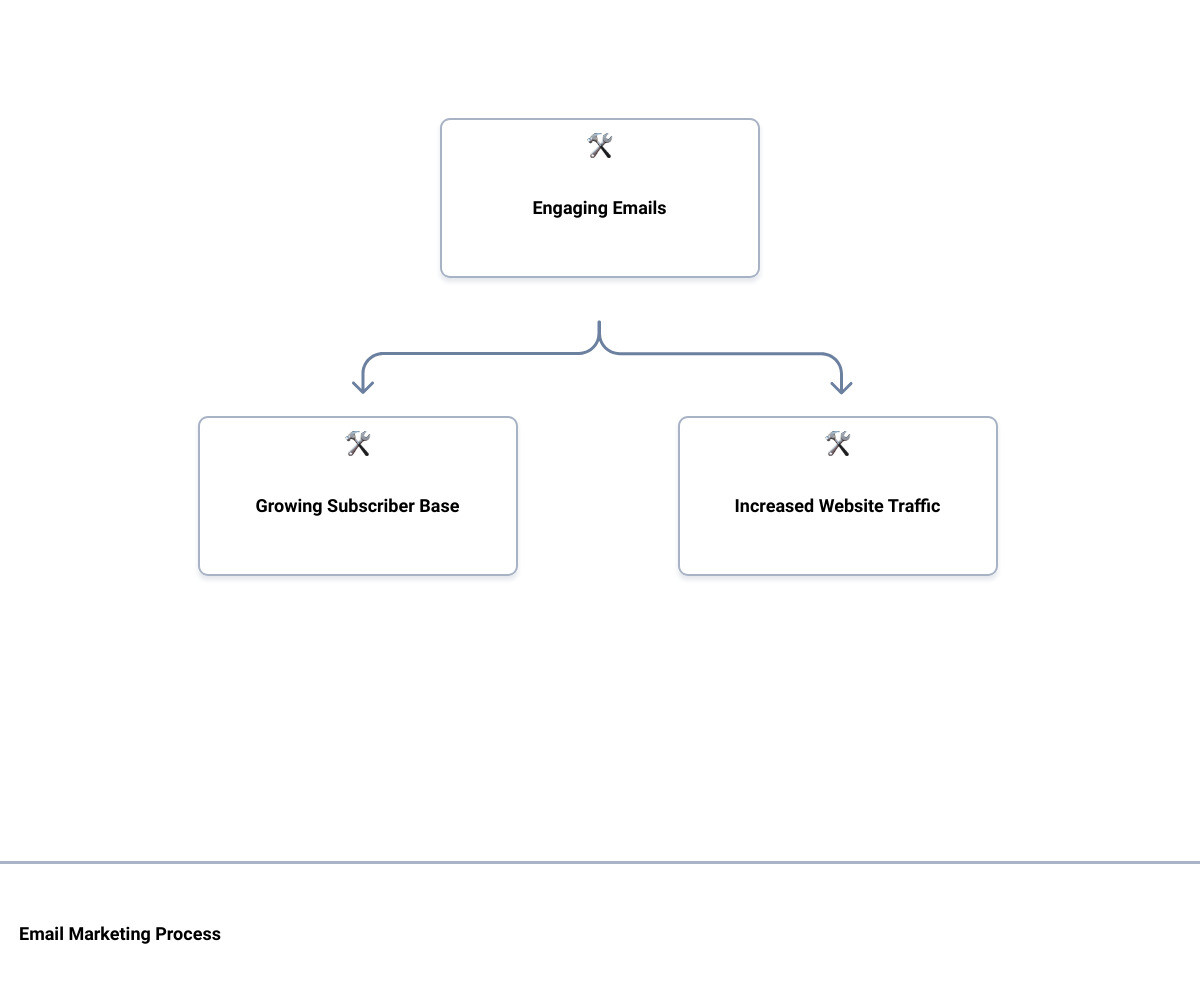
As we transition from the realm of social media, let’s navigate into another powerhouse of the digital marketing universe: email marketing. Despite the never-ending influx of new digital platforms, email marketing remains a potent tool for driving traffic to your website quickly and effectively. It’s a personal, direct line of communication to your potential customers, allowing you to provide them with valuable information and direct them towards your website.
The Importance of Email Marketing in Driving Traffic
The strength of email marketing lies in its ability to build a direct and personal connection with your potential customers. Every visit to your website via a click-through from an email signals to search engines about the relevance and quality of your content. Over time, this can help improve your website’s ranking on search engine results pages (SERPs), thereby driving even more organic traffic to your site.
Crafting Engaging Emails: How to Create Emails That Drive Clicks
The key to successful email marketing is crafting engaging emails that drive clicks. Personalized emails can lead to higher open rates and conversions, leading to more website visits. You can utilize data from your customer relationship management (CRM) system to customize your emails. Include the recipient’s name, mention products or services they’ve shown interest in, or tailor your message based on their previous interactions with your business. Remember, the goal of your emails should be to provide value and direct recipients to specific pages on your website.
Building Your Email List: Strategies for Growing Your Subscriber Base
The foundation of any successful email marketing campaign is a robust email list. This list forms the backbone of your email marketing strategy. It’s not about the sheer size of the list, but rather the quality of contacts who express a genuine interest in your business. Encourage visitors to subscribe to your newsletter or offer special discounts in exchange for their email address. You can also use content offers that require visitors to share their email address to access the content. Social media can also be a powerful tool to convert followers into subscribers and grow your email list.
Remember, a list of 100 interested potential customers is far more valuable than a list of 1,000 disinterested people. Quality over quantity should be your mantra when building your email list.
In conclusion, utilizing email marketing is a cost-effective and powerful way to drive traffic to your website. By building a quality email list, crafting personalized emails, and consistently engaging your subscriber base, you can successfully drive massive traffic to your website fast. Now, let’s move onto the next powerful tool in your digital marketing arsenal: paid advertising.
Paid Advertising: Using Google Ads and Other Platforms to Drive Targeted Traffic
Dive into the world of paid advertising and discover its potential to be an accelerator for your website traffic. It’s more than just spending money; it’s about investing in smart strategies that reach your target audience and convert them into website visitors.
Understanding Paid Advertising: How It Can Drive Traffic to Your Website
Paid advertising in the digital landscape plays a crucial role in driving targeted traffic to your website fast. It’s a strategic way to place your business directly in front of potential customers who are actively seeking your products or services. With the right investment in paid advertising, you can target specific audiences who are likely to be interested in what you offer, thereby creating a direct path from the ad to your website.
When effectively executed, paid advertising can deliver a substantial return on investment (ROI). The key lies in understanding the platforms used and how to optimise your spend to reach the right people at the right time.
Google Ads: How to Use Google’s Advertising Platform to Drive Traffic
Google Ads is a powerful tool in the arsenal of paid advertising strategies. It works on a pay-per-click (PPC) model, where you pay a fee each time one of your ads is clicked. Essentially, with Google Ads, you’re buying visits to your site, rather than attempting to “earn” those visits organically.
When used correctly, Google Ads can increase your online visibility, providing instant exposure and driving high-quality traffic to your site. Additionally, with Google Ads, you can set your ads to appear at the top of Google Maps search results, further boosting your visibility and reach.
Other Advertising Platforms: Exploring Alternatives to Google Ads
While Google Ads is a significant player in the paid advertising game, it’s not the only option. Social media advertising platforms like Facebook, Instagram, and LinkedIn offer advanced targeting options, allowing you to reach an audience based on age, location, interests, and even the type of device used.
Display advertising, such as branded banner ads placed on relevant websites, can also drive relevant traffic to your site. Retargeting ads, which appear to people who have previously visited your site, can increase the likelihood of return visits.
Remember, the goal is to drive targeted, quality traffic to your site. It’s not just about the quantity of traffic, but the quality of the visitors you attract. With a thoughtful paid advertising strategy, you can drive massive traffic to your website fast, turning visitors into leads, and leads into customers.
Analytics and Data: Using Insights to Improve Your Traffic-Driving Strategies
In the world of digital marketing, data is your best friend. It’s the compass that guides your strategies, the yardstick that measures your success, and the key to unlocking the secrets of how to drive traffic to your website fast. Let’s delve deeper into the role of analytics in driving website traffic and how you can harness the power of data to boost your online visibility.
The Role of Analytics in Driving Website Traffic
While it’s true that crafting engaging content and optimizing your website for SEO are crucial in driving traffic, none of that would matter if you’re not tracking your results. This is where analytics come in.
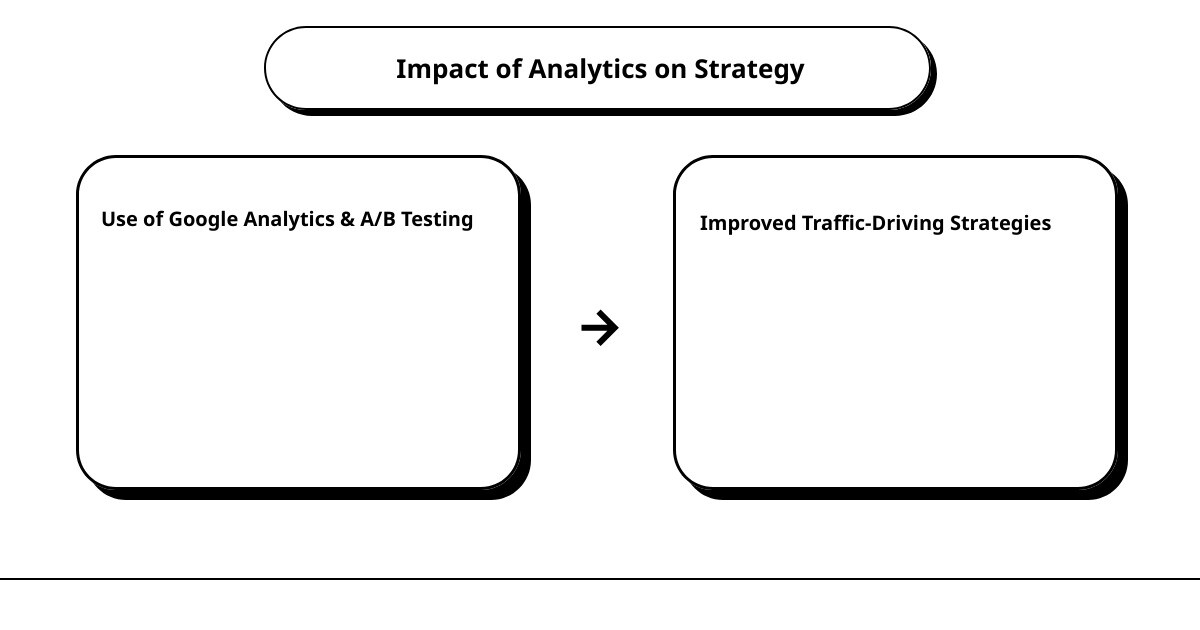
Analytics provide you with the insights needed to understand what’s working and what’s not in your digital marketing strategy. It helps you identify which strategies are driving traffic and which ones need improvement. This way, you can double down on successful tactics and discard or modify the less effective ones, ensuring that your efforts are always aligned with your ultimate goal – driving more traffic to your website.
Using Google Analytics and Google Search Console: Gaining Insights into Your Website’s Performance
Two exceptional tools in this regard are Google Analytics and Google Search Console. Google Analytics offers a wealth of insights about your website’s performance, including the number of pageviews, sessions, and users, as well as user behavior such as bounce rate and session duration.
In contrast, Google Search Console allows you to understand how Google views your site. It provides you with insights into which queries lead people to your site, how your pages are performing in search results, and if there are any indexing issues that need to be addressed.
Together, these tools can help you understand your audience better, enhance your SEO strategy, and ultimately, increase your website traffic.
A/B Testing: How to Use Data to Improve Your Strategies
A/B testing, also known as split testing, is another powerful approach you can use to improve your traffic-driving strategies. It involves comparing two versions of a web page, ad, or other marketing material to see which performs better.
For instance, you might test two different headlines for a blog post to see which one attracts more clicks. Or, you might test two different call-to-action buttons on your landing page to see which one leads to more conversions.
By continuously testing and optimizing your strategies based on the data you gather, you can improve your website’s user experience, reduce bounce rates, and ultimately, drive more traffic to your site.
To sum it up, analytics and data are integral to any traffic-driving strategy. By understanding the role of analytics, leveraging tools like Google Analytics and Google Search Console, and adopting a data-driven approach through A/B testing, you can unlock the secrets to driving massive traffic to your website fast.
Conclusion: Putting It All Together to Drive Massive Traffic to Your Website Fast
Boosting your website traffic is not a sprint, but a marathon. It’s not about immediate results, but rather about building a robust, sustainable strategy that will drive consistent, quality traffic to your site.
Remember, the goal is not just to attract visitors, but to lure the right kind of visitors – those who are genuinely interested in what you offer and are likely to convert into customers. To achieve this, you need to juggle several balls simultaneously, including SEO, content creation, social media, email marketing, paid advertising, and data analytics.
SEO is your foundation. Without it, your website is invisible to search engines. You need to focus on keyword optimization, on-page and off-page SEO, local SEO, and technical SEO to ensure your site is easily discoverable and ranks high in search results.
Content is your magnet. It’s what pulls in visitors and keeps them coming back. High-quality, evergreen content that’s regularly updated and enhanced with visuals is key to attracting and retaining visitors.
Social media is your megaphone. It amplifies your message and extends your reach. Collaborating with influencers and leveraging paid ads can further boost your visibility and drive more traffic.
Email marketing is your retainer. It helps you keep your visitors engaged and come back for more. Crafting engaging emails and growing your subscriber base are crucial for harnessing the power of email marketing.
Paid Advertising is your accelerator. It can help you reach your target audience faster and drive targeted traffic to your website. Google Ads and other advertising platforms can be effective tools in your arsenal.
Analytics and data are your compass. They guide you in the right direction, helping you understand what’s working, what’s not, and how you can improve. Google Analytics, Google Search Console, and A/B testing are essential for a data-driven approach.
But remember, you don’t have to do it all alone. At RD Internet, we offer a range of bespoke services designed to improve your online visibility and drive more traffic to your website. Our tailored solutions will help your business thrive in the digital space.
In the end, driving traffic to your website is about weaving these strategies together into a cohesive plan that’s tailored to your business, your audience, and your goals. It’s about continually learning, adjusting, and improving. And with time, dedication, and the right approach, you can drive massive traffic to your website, fast.
Now, it’s time to put these strategies into action and unlock the secrets to driving massive traffic to your website!
Recent Comments