

In a world where the digital landscape is ever-evolving, the importance of a robust online presence cannot be overstated. As a small business owner, you may be familiar with this struggle. Competing in the online marketplace is no easy task, especially when you’re vying for visibility amidst a sea of competitors. This is where search engines come into play, and more specifically, the British search engine landscape.
The role of search engines in digital marketing is a crucial one. They act as a beacon, guiding potential customers to your digital doorstep and improving your visibility on search engine results pages (SERPs). The higher your website ranks on these pages, the more likely users are to click on it. It’s a simple equation – more visibility equals more traffic, and more traffic equals more potential customers. But that’s not all. A well-optimized website also provides a better user experience, encouraging visitors to stay longer and explore further.
At RD Internet, we understand that mastering the art of SEO and harnessing the power of search engines is key to standing out in the crowded online marketplace. In the UK, there’s a diverse range of search engines to choose from, each with its own unique offerings and advantages. From the dominant Google to privacy-focused alternatives like DuckDuckGo and eco-friendly options like Ecosia, the UK presents a rich tapestry of search engine choices.
Here’s a quick snapshot of the top 10 search engines in the UK:
- Bing
- Yahoo
- AOL
- Startpage
- Contextual Web Search
- DuckDuckGo
- Internet Archive
- Ask.com
- Ecosia
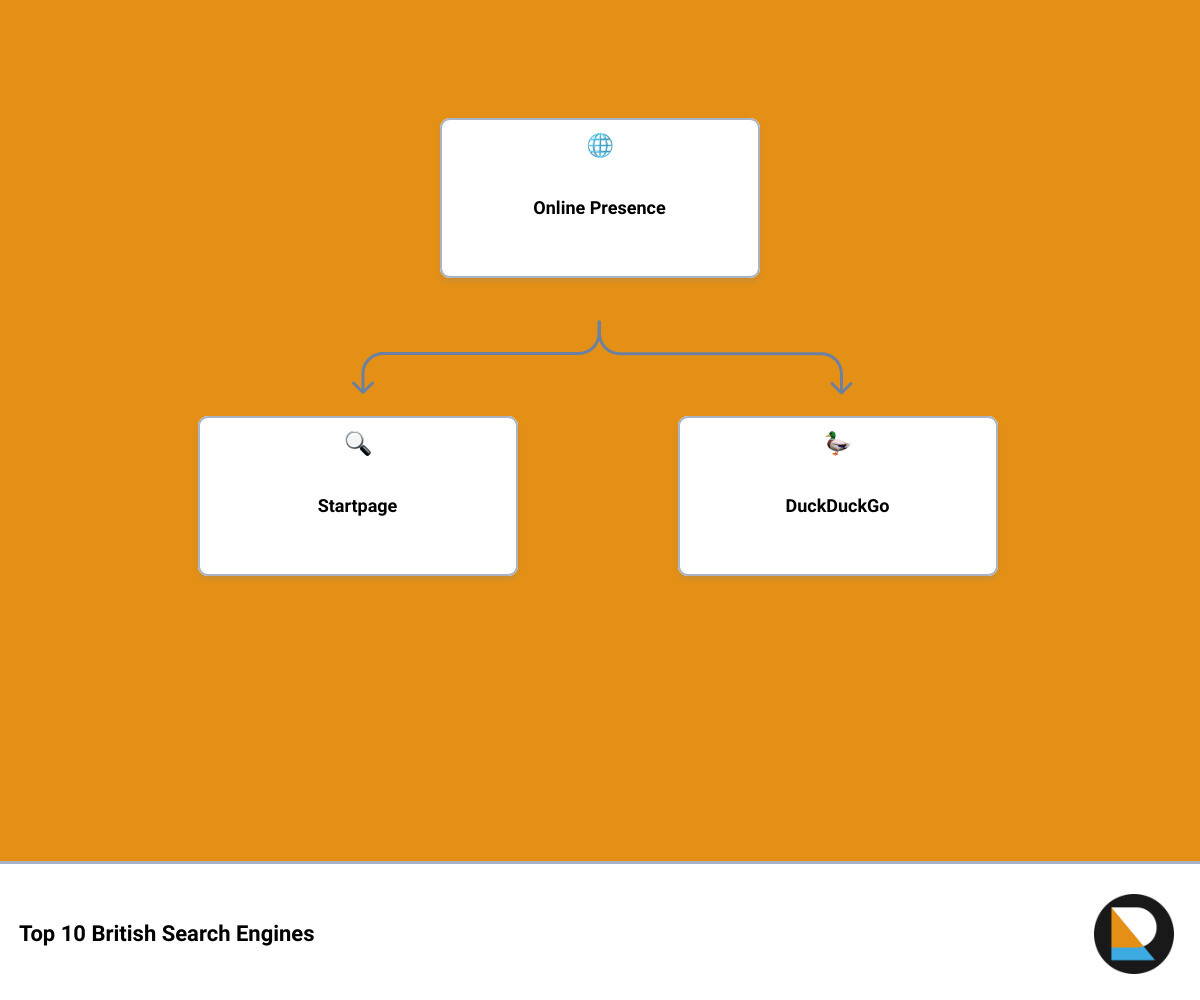
This infographic gives a quick overview of the top 10 British search engines, their features, and popularity ratings in the UK. Stay tuned as we delve deeper into each of these search engines and explore how they can be leveraged to boost your online presence.
Understanding Search Engines: How They Work and Their Role in Internet Usage
As our world continues to become increasingly digital, understanding how search engines work and their role in internet usage is more important than ever. Not only do they serve as our digital compass, guiding us through the vast sea of online information, but they are also integral to boosting our online visibility, especially for businesses. Let’s take a deeper dive into the world of search engines.
Search engines act as a beacon in the digital world. They guide internet users to your website amidst the vast expanse of the internet. In essence, they are tools that allow users to find and access information on the internet. They do this by using algorithms to scan or “crawl” the internet, indexing the content of websites, and providing a ranked list of websites based on relevance and authority when a user makes a search query.
A key aspect of search engine function is SEO, or Search Engine Optimization. SEO is the practice of fine-tuning various elements of your website to make it more attractive to search engines like Google. It’s a method of communicating with search engines in their language, telling them what your website is about and why it should rank high in search results for relevant queries.
But why is SEO so important? The answer lies in its impact on your online visibility. The higher your website ranks on search engine results pages (SERPs), the more likely users are to click on it. It’s a simple equation: more visibility equals more traffic, and more traffic equals more potential customers. Plus, SEO doesn’t just attract any traffic; it targets quality traffic. By optimizing your website for specific keywords relevant to your business, you attract visitors who are more likely to convert into customers.
Part of optimizing a website for search engines involves creating relevant, engaging content. This could be anything from informative blog posts to compelling product descriptions, all of which need to be tailored to your target audience and embedded with the right keywords. Another important factor is the technical configuration of your website, which involves ensuring fast loading times, clear navigation, and a mobile-friendly design.
In conclusion, understanding search engines and how they work is crucial in today’s digital age. They play a key role in helping users find the information they need and helping businesses reach their target audience. At RD Internet, we specialize in helping businesses optimize their websites for search engines to boost their online visibility and drive more traffic and potential customers to their business.
Mojeek: The UK-Based Search Engine Prioritizing User Privacy
As a small business owner, you might be wondering if there are British search engines that can offer an alternative to the dominant players while also respecting user privacy. Enter Mojeek, a UK-based search engine that has been making waves in the digital world for its commitment to privacy and unbiased search results.
Mojeek’s Unique Features and Offerings
Unlike many search services that depend on Google or Microsoft, Mojeek offers an independently-owned search engine that doesn’t track users. This is a breath of fresh air in a world where privacy concerns are growing day by day. Mojeek does not collect any personal data, providing a clear edge for those concerned about their digital footprint.
Moreover, Mojeek provides neutral, not personalised, search results. Unlike many search engines that try to predict what you want based on your previous searches, Mojeek respects your freedom to seek and discover information on the open web. This is a stark contrast to the personalised results and information boxes offered by Google, which are designed to keep you on their platform.
The Growth and Evolution of Mojeek
Born out of a hobby project by British developer Marc Smith in 2004, Mojeek has grown significantly. It began with two computers in Smith’s bedroom and quickly turned into a mission to offer an ethical alternative to data-thirsty search engines.
Fast-forward to 2022, and Mojeek now boasts an index of more than six billion web pages. It’s the only search engine of its kind based in the UK or indeed Europe, and its user base spans the globe, with the biggest user bases in the UK and the US.
How Mojeek Differs from Other Search Engines
One of Mojeek’s standout features is its focus on independence. While many search services channel their queries through Google or Microsoft, Mojeek has maintained its independence and does not depend on other software companies.
This means that when you use Mojeek, your searches are not influenced by other companies’ algorithms or data collection practices. Moreover, all software at Mojeek is developed in-house, ensuring its unique character and commitment to privacy.
In summary, Mojeek offers a refreshing alternative to the dominant search engines, prioritizing user privacy and independence. As we at RD Internet know, the digital landscape is forever evolving, and it’s important for small business owners like you to understand the options available. Mojeek is certainly one such option that merits serious consideration.
Other Popular Search Engines in the UK
After exploring the unique offerings of Mojeek, it’s time to turn our attention to some other popular search engines in the UK. These platforms have varying strengths and focuses, from user privacy to eco-friendliness. Understanding their features will help you as a small business owner to select the best tool for your online needs.
Google: The Dominant Player in the UK Search Engine Market
As we at RD Internet can attest, Google is an undeniable giant in the search engine space. It’s the most popular search engine not just globally, but also in the UK, holding a whopping 86.31% market share. Google’s extensive reach and wide array of tools make it a useful platform for businesses aiming to increase their visibility in the digital landscape. However, it’s worth noting that Google’s dominance doesn’t necessarily make it the best fit for everyone, particularly for those who have privacy concerns or prefer a more localized search experience.
Bing: Microsoft’s Answer to Google
Next on the list is Bing, a search engine that’s been around since 2009 and is available in 26 languages. Bing might not have as large a market share as Google, but it’s not to be dismissed. It has over 986 million users, and with its precise and relevant search results, it’s a solid alternative to Google. If you’re looking for an all-rounder that can satisfy various search needs, Bing is certainly worth considering.
DuckDuckGo: The Privacy-Focused Search Engine
Privacy is a growing concern in the digital age, and DuckDuckGo is one search engine that takes this issue seriously. Unlike many other search engines, DuckDuckGo does not track users or store their personal information. This privacy focus has gained it a loyal user base in the UK, making it a good choice for those who prioritize their online privacy.
Ecosia: The Eco-Friendly Search Engine
Ecosia is a unique player in the search engine market. This eco-friendly platform uses its ad revenue to plant trees, representing a focus on sustainability that has resonated with many UK users. If you’re dedicated to making a positive environmental impact, Ecosia is a search engine that aligns with your values.
Yahoo: The Veteran in the Search Engine Space
Last but not least, we have Yahoo, a veteran in the search engine space. Founded in 1995, Yahoo provides users with access to a wide range of information and services. Yahoo’s longevity and comprehensive offerings make it a reliable choice for many internet users.
In conclusion, even though Google dominates the UK search engine market, there are other worthwhile options to consider. Each has its own strengths and specialities, from privacy protection to eco-friendliness. As we at RD Internet know, the key to effective online marketing is understanding your options and choosing the tools that best meet your needs and values.
Comparing Search Engines: Features, Privacy Options, and User Ratings
In the grand arena of search engines, each platform brings its unique strengths to the table. To help you navigate through your options, we’ve put together a comparative analysis of the most popular search engines in the UK, focusing on their features, privacy options, and user ratings.
How to Choose the Right Search Engine for Your Needs
Understanding your online customers – their search behaviour, needs, and preferences – is the first step in choosing the right search engine for your needs. For instance, if you value privacy and data protection, you might lean towards using Mojeek or DuckDuckGo. If you’re eco-conscious, Ecosia could be the perfect choice. If you prioritize a comprehensive index and advanced search algorithms, Google or Bing might be your best bet.
Every search engine has a unique user interface and search algorithm that determines the order of search results. Some search engines, like Google, are known for their sophisticated algorithms that deliver highly relevant results. Others, like Mojeek, prioritize user privacy and don’t track or store user data.
User ratings can also provide valuable insights into the performance and reliability of different search engines. While Google is the dominant player in the UK search engine market, other search engines like Ecosia and DuckDuckGo have also resonated with many UK users, reflecting their commitment to privacy and sustainability.
The Role of Search Engines in Online Advertising
Search engines play a pivotal role in online advertising. They offer various advertising tools, such as Pay-Per-Click (PPC) ads, which can deliver quick results and instant visibility for your brand. These ads appear at the top of search engine results pages (SERPs) when a user searches for a specific keyword or phrase, making them highly relevant to the user’s active search.
Moreover, data from your PPC campaigns can be used to inform and improve your SEO strategy. For instance, the keywords that generate the most conversions in your PPC campaign can be incorporated into your SEO strategy to enhance your organic search results.
In conclusion, choosing the right search engine is crucial for your online success. Whether you’re a small business owner looking to improve your online visibility or an everyday user seeking reliable search results, understanding the different features, privacy options, and user ratings of each search engine can significantly enhance your online experience.
The Future of Search Engines: Trends and Predictions
In the ever-evolving world of digital technology, the future of search engines is a topic of great interest. As an SEO expert at RD Internet, I’ve seen firsthand how these platforms have transformed and adapted over time to meet user demands and technological advancements. Moving forward, two significant trends loom large on the horizon for British search engines: an increasing emphasis on privacy and the expanding role of artificial intelligence (AI) and machine learning.
The Increasing Importance of Privacy in Search Engines
As they say, your search history can tell a lot about you. It can reveal your interests, habits, and even your deepest concerns. With the increasing concern over data privacy and protection in the digital age, more users are gravitating towards search engines that prioritize privacy.

For instance, search engines like Mojeek, based in the UK, differentiate themselves by offering users the promise of privacy. These engines don’t track your searches or share your data with advertisers. This commitment to privacy could be a game-changer in the future, as users become more conscious of their digital footprint and more selective about the platforms they use for searching the web.
The Role of AI and Machine Learning in Search Engines
Another trend that’s set to shape the future of search engines is the growing role of AI and machine learning. These technologies are already making significant impacts on how search engines operate, particularly in understanding user queries and delivering relevant search results.
Search engines like iAsk.ai, use advanced AI, and natural language processing (NLP) models to answer questions objectively, factually, and without bias. This AI-driven approach allows them to provide instant, accurate results, enhancing the overall user experience.
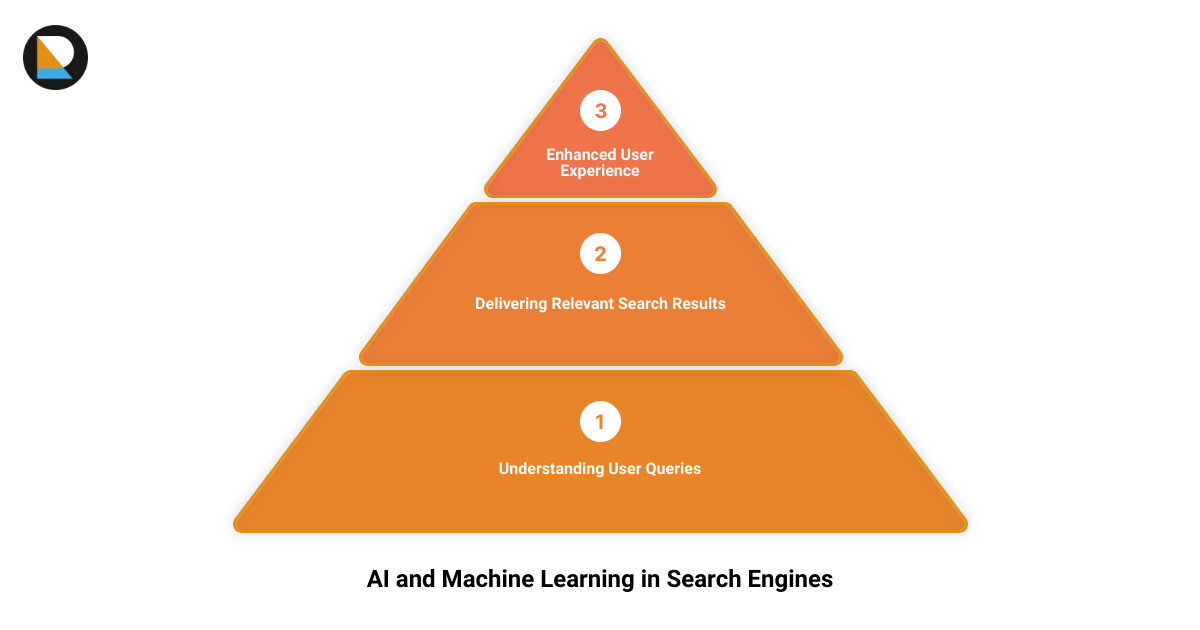
Moreover, AI and machine learning also play a crucial role in voice and visual search, as mentioned in our guide on Master the Art of Boosting Your Search Engine Ranking. As more users turn to these technologies for their search needs, search engines will need to adapt and evolve to stay ahead.
In conclusion, the future of search engines is poised to be shaped by the increasing importance of user privacy and the expanding role of AI and machine learning. As a small business owner, staying informed about these trends can help you make the most of your SEO efforts and stay ahead in the digital space.
At RD Internet, we understand the importance of adapting to these trends and offer a range of SEO services to help businesses navigate the fast-paced world of search engine optimization. Whether you’re looking to improve your website’s privacy features or leverage AI for better search results, we’re here to guide you through the process.
Conclusion: Navigating the World of British Search Engines
As we have seen throughout this exploration, the landscape of British search engines is as diverse as it is dynamic. From privacy-focused Mojeek to the globally recognized Google, each search engine has its unique offerings and challenges. However, the common thread that binds them all is their critical role in driving online visibility and business growth.
For small business owners in Cardiff, understanding these search engines is more than just a matter of convenience. It’s a gateway to a larger audience, better brand recognition, and, ultimately, increased revenue. At RD Internet, we understand the intricacies of these platforms and the role they play in a broader digital marketing strategy.
Remember, the best search engine for you depends on your specific needs and goals. If you’re concerned about privacy, you might gravitate towards Mojeek or DuckDuckGo. If you’re looking for the broadest reach, Google or Bing might be your best bet. No matter what, it’s crucial to keep in mind that search engines are just one piece of the digital marketing puzzle.
Ultimately, the goal is to create a comprehensive online presence with high-quality content, strategic link building, and robust SEO practices. As we’ve noted in our guide to SEO link building in the UK, this process involves everything from analyzing competitors’ backlink profiles to building relationships with influencers and bloggers.
In the ever-evolving world of search engines, staying ahead of the curve and adapting to changes is crucial. This might mean focusing on the up-and-coming search engines, prioritizing privacy, or integrating artificial intelligence into your SEO strategy. Whatever the future holds, one thing is for sure: the world of British search engines is an exciting place to be.
So, as you navigate the world of British search engines, remember the choices you make today can have a significant impact on your business’s future. Choose wisely, and don’t hesitate to contact us at RD Internet for guidance along the way!
Recent Comments