

Introduction: The Importance of SEO for Online Visibility
In the bustling digital marketplace of Cardiff, standing out from the crowd is more than a desire—it’s a necessity. As a small business owner, you’re constantly competing for the attention of potential customers. The question is, are you visible where it matters most—on the search engine results pages? This is where Search Engine Optimization (SEO) becomes your secret weapon.
SEO is not just a buzzword or a luxury; it’s a lifeline that boosts your online visibility, making your business more accessible to those actively seeking your products or services. It’s like setting up a neon sign in the digital world that guides users straight to your doorstep. The higher your website ranks on search engine results, the more likely users are to click on it. Simple equation—more visibility equals more traffic, and more traffic equals more potential customers.
But SEO isn’t just about driving more traffic; it’s about attracting the right kind of traffic. By targeting specific keywords relevant to your business and location, you can attract visitors who are more likely to be interested in your products or services. This targeted approach can significantly increase your conversion rates.
Beyond driving targeted traffic, a well-optimized website also provides a better user experience. Factors like fast loading times, clear navigation, and mobile-friendly design all contribute to a positive user experience, encouraging visitors to stay longer and explore further.
In essence, mastering the art of SEO can catapult your online presence, making your business more discoverable and accessible to those who need it most. It’s not just about getting more eyes on your website; it’s about attracting the right eyes—those that are likely to convert into customers.
In this article, we’ll guide you through the proven strategies to boost your website’s SEO. We’ll delve into understanding your online customers, using keywords effectively, updating your website content regularly, gaining referrals from other websites, and leveraging meta tags and Google tools to enhance your SEO.
So, are you ready to boost your website’s SEO and improve your search engine ranking? Let’s dive in.
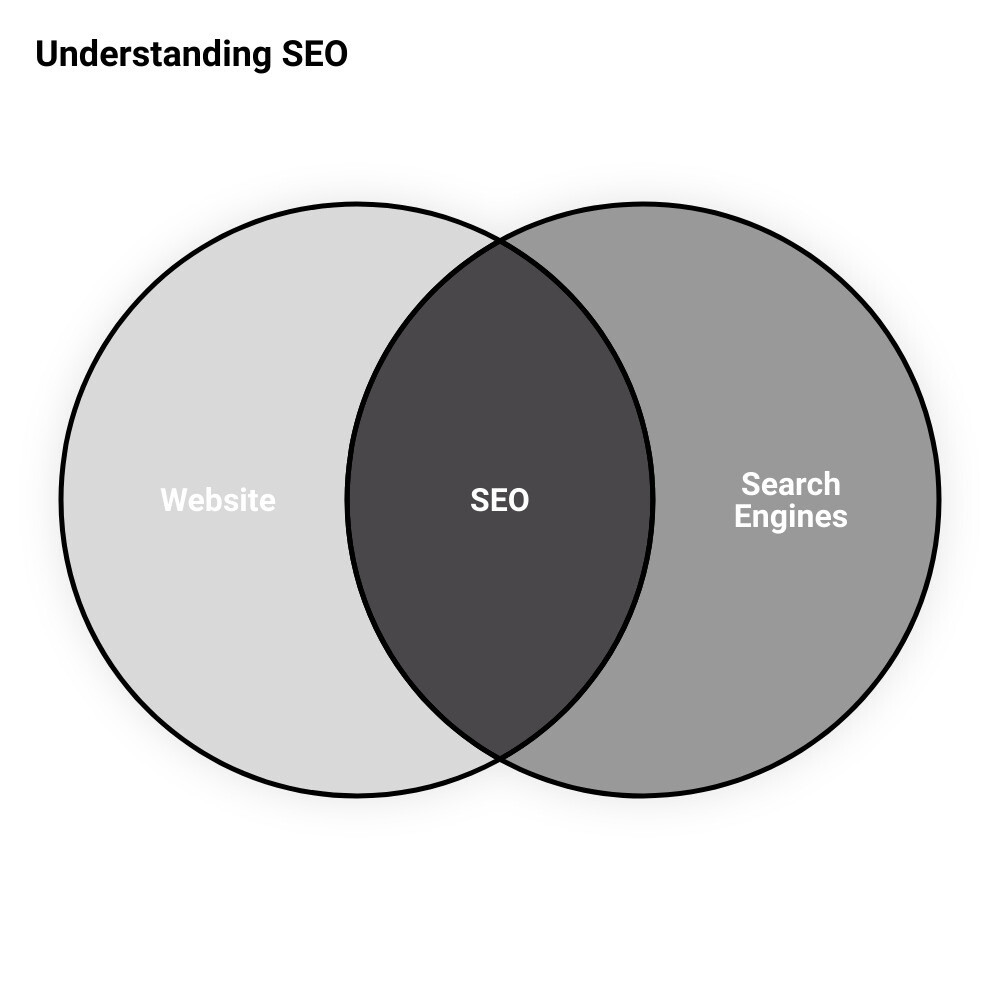
Understanding SEO: What It Is and How It Works
SEO is not just a fancy buzzword tossed around in the digital world. It’s a powerful tool waiting to be harnessed, a strategic approach to turbocharging your online visibility. Here, we’ll unpack the nuts and bolts of SEO and how it can be your secret weapon to standing out in the crowded online marketplace.
The Role of SEO in Digital Marketing
Think of SEO as a beacon in the digital world, guiding users straight to your website amidst the vast expanse of the internet. In the grand scheme of digital marketing, SEO is a crucial player. It’s a method of communicating with search engines in their language, telling them what your website is about and why it should rank high in search results.
But why is SEO so important? The answer lies in its impact on your online visibility. The higher your website ranks on search engine results pages (SERPs), the more likely users are to click on it. It’s a simple equation: more visibility equals more traffic, and more traffic equals more potential customers. Plus, SEO doesn’t just attract any traffic; it targets quality traffic. By optimizing your website for specific keywords relevant to your business, you attract visitors who are more likely to convert into customers.
The Process of Optimizing a Website for Search Engines
So, how does one go about optimizing a website for search engines? The process encompasses various elements of your website, including meta descriptions, headers, and content, which need to be fine-tuned to make it more appealing to search engines like Google.
One critical aspect is creating relevant, engaging content. This could be anything from informative blog posts to compelling product descriptions, all of which need to be tailored to your target audience and embedded with the right keywords.
Another important factor is the technical configuration of your website. This involves ensuring fast loading times, clear navigation, and a mobile-friendly design. After all, a well-optimized website isn’t just about drawing in visitors; it’s about providing a seamless user experience that keeps them coming back for more.
To wrap it up, understanding and implementing SEO is a vital part of digital marketing that can dramatically enhance your online presence. By optimizing various elements of your website, you can improve your search engine rankings, boost your online visibility, and ultimately drive more traffic and potential customers to your business. So, are you ready to master the art of SEO and take your search engine ranking to the next level?
The Power of Quality, Authoritative Content
Boosting your website’s search engine ranking is like cooking a gourmet meal. You need the right ingredients used in just the right proportions. In the world of SEO, the most crucial ingredient is content. Not just any content, but high-quality, authoritative content that resonates with your audience and the search engine algorithms.
Why Content is King in SEO
In the world of SEO, content has long been crowned king. Google’s algorithms are designed to prioritize websites that provide valuable, relevant, and comprehensive content. Meeting the needs of your audience and answering their queries in a clear, concise, and engaging manner can significantly enhance your website’s visibility, credibility, and user engagement.
Moreover, quality content encourages other websites to link back to you, increasing your site’s authority and driving more traffic to your website. As Jonas Sickler, SEO manager at Terakeet, says, “Content clusters help search engines understand the relationship, context, and hierarchy of web pages within the family of content.”
How to Create Relevant, Engaging Content
Creating engaging and relevant content is a combination of art, science, and a deep understanding of your audience’s needs. Here are some strategies to help you craft content that not only draws in readers but also boosts your SEO ranking:
-
Create Content Clusters: A content cluster consists of a main pillar page that covers a topic broadly and several cluster pages that delve deeper into specific aspects of the topic. This strategy helps demonstrate topical relevance, making it easier for search engines to understand and rank your content.
-
Focus on User Intent: Understand what your audience is searching for and tailor your content to meet their needs. Use your keyword research to guide your content creation.
-
Keep It Clear and Engaging: Write in a way that is easy to understand, and make your content engaging by using images, videos, infographics, and interactive elements.
-
Optimize for Featured Snippets: Featured snippets are excerpts of your content that appear at the top of Google’s search results. Optimize your content for these snippets by using clear subheadings, bullet points, and tables.
Remember, the best pages are written for the user, not for the search engine. Invest in creating content that is informative, relevant, and regularly updated, and watch your search engine rankings soar.
The Art of Keyword Identification and Optimization
Unlock the hidden potential of your website by mastering the art of keyword identification and optimization. The right keywords act as a magnet, drawing the right audience to your website and boosting your visibility on search engines. Let’s dive into the process of identifying and optimizing these powerful SEO elements.
How to Identify the Right Keywords for Your Website
Identifying the right keywords is akin to learning a new language – the language your potential customers use when they’re searching online. To grasp this language effectively, you need to understand your business, audience, and industry. It’s not just about high-volume keywords; it’s about finding that perfect balance between search volume and competition.
Consider phrases that are specific and less competitive, often known as long-tail keywords. These might get fewer searches, but they can be your golden ticket to getting noticed on search engines because they’re more specific and less competitive.
Tools like WordStream’s Free Keyword Tool can be helpful in identifying the best keywords for your site. This is not a one-off task; it’s a continuous process of research, tracking, and adaptation to the ever-changing search patterns of your audience.
The Role of Keywords in Page Titles, Descriptions, and Content
Once you’ve identified your list of keywords, the next step is to weave them into your website in a way that feels natural and enriches the user’s experience. Here’s how you can do this:
-
Page Titles and Descriptions: Your page titles and descriptions are the first things that users (and search engines) notice. Incorporating your keywords in these areas can significantly enhance your visibility. Remember to make your titles and descriptions concise, appealing, and reflective of the content within.
-
Content: Your content is where your keywords can truly shine. Aim to use your keyword phrase several times throughout the page—once or twice in the opening and closing paragraphs, and two to four more times throughout the remaining content.
-
Metadata: Your metadata, including title metadata and description metadata, provides another opportunity to optimize your keywords. This invisible information can significantly influence how search engines interpret your page.
-
URLs: Including keywords in your URLs can also boost your SEO. However, ensure it doesn’t compromise the URL’s readability or user-friendliness.
-
Image File Names and Alt Text: Search engines also look at your image file names and alt text when indexing your site. Including your keywords in these areas can give your SEO a significant boost.
Remember, the goal is to integrate keywords in a way that feels organic and enhances the user’s experience. Never sacrifice the quality of your writing for SEO. The best pages are written for the user, not for the search engine. With the right approach to keyword identification and optimization, you can significantly improve your search engine ranking, attract more visitors to your website, and ultimately, grow your business.

Regular Content Updates: Keeping Your Website Relevant
Just as a store updates its inventory to keep customers intrigued, your website too requires a constant flow of fresh content to sustain search engine relevance. In the ever-evolving realm of SEO, content isn’t just king—it’s the entire kingdom. And it’s not just any content that rules this kingdom, but fresh, relevant, and engaging content.
The Importance of Regularly Updating Your Website Content
Regularly updating your website content works like a signal to search engines, telling them that your site is active and relevant. The more frequently you refresh your content, the more often search engines will crawl your site. This helps new content to be discovered promptly, thereby boosting its chances of ranking higher.
So, how do you keep the content on your site fresh? A well-curated content calendar can be your guiding light, helping you plan and ensure a consistent flow of fresh content. Other effective strategies can include updating blog posts with new information, adding information about new products or services, sharing customer success stories, or publishing industry-relevant news.
But remember, it’s not just about adding new content. It’s also crucial to review your existing web content at least every six months and remove any content that’s outdated or no longer relevant.
How Content Updates Improve Your Search Engine Ranking
The benefits of regularly updating your content aren’t limited to signaling search engine bots about your site’s activity. Fresh content also provides an excellent opportunity to incorporate relevant keywords and improve your SEO ranking.
When you add new content or update existing ones, you create more index pages for your website, which is a significant advantage for SEO. For instance, every time you add a blog post about your business, industry, products, or events with relevant keywords, you’re essentially boosting your search engine optimization.
Moreover, engaging content can keep your audience hooked, encouraging them to visit your site more frequently and spend more time on your pages. This increased dwell time can further improve your search engine rankings.
So, embrace the power of fresh content, and watch your search engine rankings soar. Remember, in the kingdom of SEO, content that’s fresh, relevant, and engaging reigns supreme. Your small business in Cardiff deserves the royal treatment, so keep those content updates rolling in!
Metadata: The Hidden SEO Booster
Just like a book’s blurb that tells you what’s inside without revealing the whole story, metadata plays a pivotal role in the world of SEO. It might be unseen by your website visitors, but it’s a star player in the game of search engine rankings.
Understanding Metadata and Its Role in SEO
Metadata is the invisible scaffolding that holds the structure of your website together. It’s the behind-the-scenes information that gives search engines a sneak peek into the contents of your page. Each page on your website holds a precious space between the <head> tags where metadata is inserted, providing key insights about the content of your page.
When search engines crawl your website, they read this metadata to understand what each page is about and how it fits into the overall structure of your site. Optimized metadata can help search engines index your pages more accurately, leading to better visibility and higher rankings in search results. So, while your Cardiff-based small business’ website visitors might not see this metadata, rest assured, search engines are paying attention.
How to Optimize Your Metadata for Better Rankings
To boost your SEO ranking, you need to focus on three types of metadata: Title Metadata, Description Metadata, and Keyword Metadata.
Title Metadata is the most valuable player on your team. It’s responsible for the page titles displayed at the top of a browser window and as the headline within search engine results. Your title metadata should be packed with keyword phrases, be concise, and mirror the content of the page accurately.
Description Metadata is your textual sales pitch that may appear in your page search return. It serves as a concise and appealing summary of your page’s content, enticing users to click on your page. A good meta description usually contains two full sentences.
Keyword Metadata is the underdog, often overlooked in the SEO game. Although rarely used to compute search engine rankings these days, including relevant keyword phrases in your metadata can still pack a punch. Aim for about 3-7 phrases with each phrase consisting of 1-4 words.
By optimizing your website’s metadata, you’re giving your small business in Cardiff a competitive edge. It’s an essential step in boosting your SEO ranking. So, don’t let this hidden SEO booster slip through your fingers. Metadata may be behind the scenes, but it’s a star player in the quest for better search engine rankings.
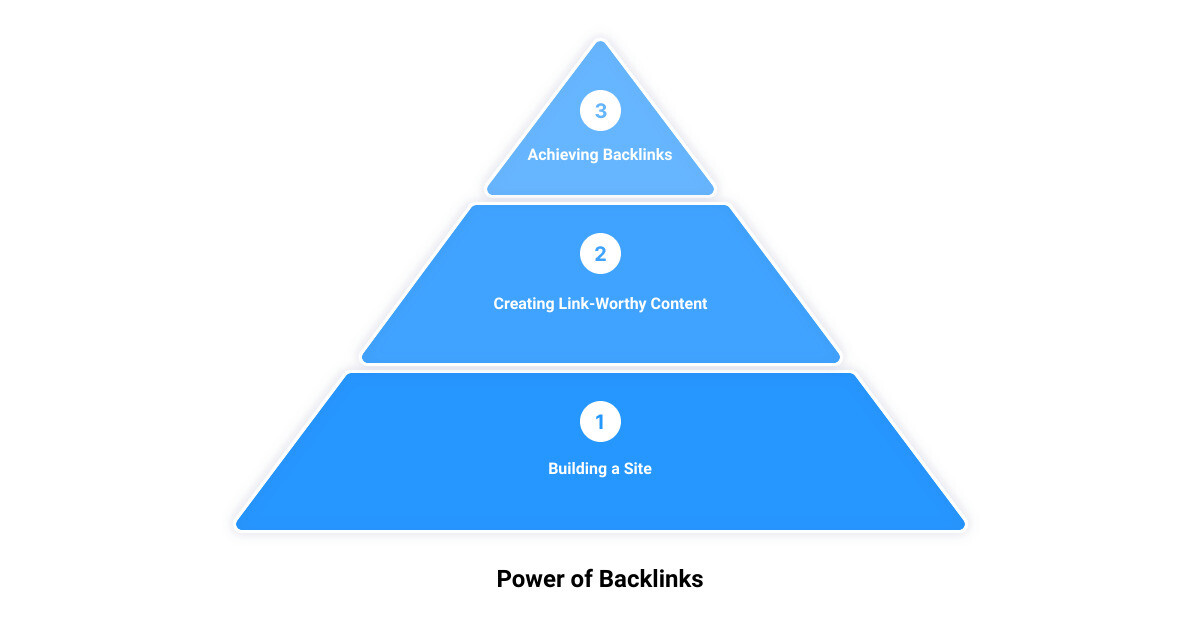
Building a Link-Worthy Site: The Power of Backlinks
Just when you thought you had your SEO strategy all figured out, we’re about to toss another crucial ingredient into the mix – backlinks. Much like the most popular kid in school, the popularity of your website in the digital realm is determined by how many other sites want to hang out with it, or more accurately, link to it. Let’s take a detailed look at what backlinks are and why they’re so important.
What are Backlinks and Why are They Important
Backlinks, also known as inbound links or external links, are links from other websites that point back to your site. Consider each backlink as a vote of confidence, a signal to search engines that your content is valuable and worth referencing.
Backlinks play a significant role in search engine optimization. Google and other search engines see each backlink as a positive endorsement of your site from another internet source. The more quality backlinks you have, the more authoritative your site appears, which can significantly enhance your search rankings.
However, it’s not just about the quantity of the backlinks, but also their quality. Backlinks from high-authority websites, like industry leaders or respected publications, are more valuable than those from low-authority sites or lesser-known blogs. Google’s algorithm considers the relevance and authority of the site linking to you, making backlinks a crucial part of your SEO strategy.
How to Build Quality Backlinks for Your Website
Building a strong backlink profile is not an overnight task. It requires strategic efforts and patience. But with the right strategies in place, gaining referrals from other websites can significantly boost your SEO, leading to higher search engine rankings, and ultimately, increased traffic and conversions for your Cardiff-based business.
Guest Posting: This involves contributing high-quality content to other sites in your niche. By doing so, you can earn backlinks that improve your search rankings. Just ensure that your guest posting strategy doesn’t veer into a “link scheme,” which can be penalized by Google.
Competitor Analysis: Use SEO tools like Google Search Console to analyze your competitor’s backlinks. By understanding where they’re earning their links, you can identify similar opportunities for your own site.
Creating High-Value Content: Focus on creating unique, high-value content that others will naturally want to link to. This includes infographics, case studies, original research, and comprehensive guides. High-quality content can act as a link magnet, attracting backlinks organically as it provides value to readers.
Remember, backlinks are like building bridges to your website. The more quality bridges you have, the more traffic you can expect. Set your sights on creating a link-worthy site, and you’ll be well on your way to mastering the art of boosting your search engine ranking.

Optimizing Your Website’s Technical Configuration
Building a link-worthy site is just one piece of the puzzle. To truly master the art of boosting your search engine ranking, you also need to focus on optimizing your website’s technical configuration. This includes ensuring your website has a user-friendly structure and improving your Core Web Vitals. Let’s delve deeper into these crucial aspects.
The Importance of a User-Friendly Website Structure
Having a robust, clear website structure is like having a well-organized store. Just as customers appreciate being able to find what they need easily in a physical store, online visitors appreciate a website where information is intuitively arranged and easy to find.
A sound website structure not only enhances user experience but also helps search engines crawl your site more efficiently. If your website is difficult for users to navigate and for Google to crawl, your rankings are likely to suffer. To improve your site structure, pay attention to your Core Web Vitals—a set of metrics that Google uses to measure the speed, responsiveness, and visual stability of a page.
How to Improve Core Web Vitals for Better SEO
Core Web Vitals include Largest Contentful Paint (LCP), which measures loading performance, First Input Delay (FID), which quantifies interactivity, and Cumulative Layout Shift (CLS), that assesses visual stability.
You must continuously monitor these metrics and aim to improve them. For instance, LCP should occur within the first 2.5 seconds of the page starting to load, FID should be less than 100 milliseconds, and CLS should be less than 0.1.
But how can you achieve these goals? The answer lies in optimizing your file sizes and leveraging browser caching. Before uploading images, optimize them using programs like Optimizilla, Image Recycle, or Kraken.io to reduce file size. Also, ensure that the dimensions of the image fit into the reserved image space to maintain a clean, structured look on your live webpage.
Moreover, enabling browser caching can significantly improve your site’s speed. Browser caching stores resource files locally on users’ computers, so when a user navigates to a new page, those resources need not be loaded again, resulting in faster page loads.
In conclusion, optimizing your website’s technical configuration is a crucial step in your SEO strategy. It not only enhances user experience but also boosts your online visibility. By prioritizing a user-friendly website structure and improving your Core Web Vitals, you can effectively reach a wider audience and master the art of boosting your search engine ranking.

Staying Ahead: Keeping Up with SEO Trends and Algorithm Changes
As the digital world rapidly evolves, so does the landscape of SEO. Staying updated with these changes is not an option but a necessity to maintain and improve your search engine rankings.
The Constant Evolution of SEO: Why You Need to Stay Updated
The realm of SEO is in constant flux. Search engines like Google frequently update their algorithms, changing how they rank websites and present search results. This means the SEO techniques that worked well for your business last year might not yield the same results today.
Being aware of these shifts is crucial. It’s like changing the sails of your ship to catch the wind – you adjust your strategies to the evolving SEO landscape to ensure you’re sailing in the right direction. Failure to adapt could mean losing online visibility and falling behind in the competitive digital marketplace.
For example, the increasing use of voice and image search necessitates adjustments in your SEO strategy. By understanding how these technologies work and how your customers use them, you can optimize your website accordingly and stay ahead of your competitors.
How to Keep Up with SEO Trends and Changes in Search Engine Algorithms
In this ever-changing digital world, knowledge is your best ally. There are various resources you can use to stay informed about the latest SEO techniques.
Firstly, you can turn to the search engines themselves. For instance, Google regularly publishes updates and advice on their Google Search Central Blog, providing you with first-hand information about any significant changes.
Apart from that, online SEO communities and forums, such as Moz and Search Engine Land, are excellent sources of knowledge. They offer insights, discussions, and tips about the latest trends in SEO.
Consider subscribing to SEO newsletters or following SEO experts on social media for regular updates. Moreover, attending SEO webinars and conferences can provide valuable opportunities to learn from leading experts in the field and stay ahead of the curve.
Staying informed about SEO is an ongoing commitment, but it’s one that can pay big dividends for your business. By understanding and implementing the latest SEO techniques, you can boost your website’s visibility, attract higher-quality traffic, and ultimately, increase your online sales.
In the end, staying ahead in SEO is all about being proactive, adaptable, and informed. As we move forward to the next section, we will recap the key strategies to improve your search engine ranking and how RD Internet can assist you in mastering the art of SEO.
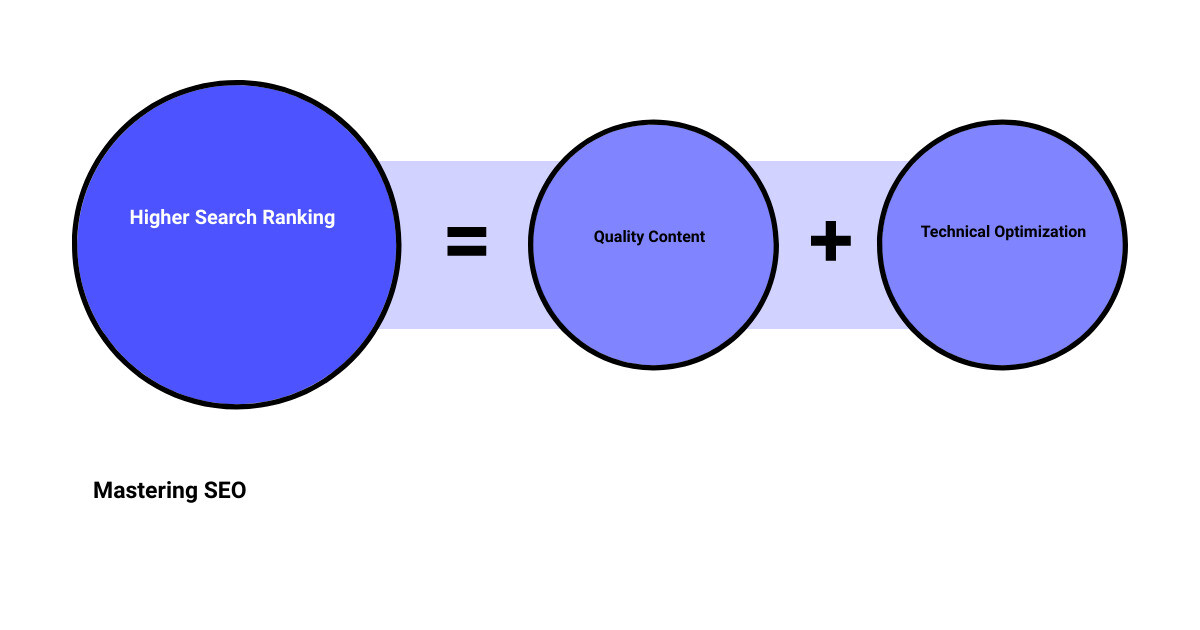
Conclusion: Mastering SEO to Boost Your Search Engine Ranking
The journey to mastering SEO and boosting your search engine ranking is a marathon, not a sprint. It requires a combination of effective strategies, consistency, and a deep understanding of how SEO works. But remember, the ultimate goal of improving your search engine rankings is not just about driving more traffic; it’s about attracting the right kind of traffic – the kind that converts.
Recap of Key Strategies to Improve Your Search Engine Ranking
We’ve covered some essential strategies to enhance your search engine ranking. Understanding SEO and how it works is the foundation. From there, creating relevant, authoritative content and identifying effective keywords are vital steps in boosting your online visibility. Regularly updating your website content keeps it fresh and relevant, while optimizing your metadata can provide a significant boost to your rankings. Building a link-worthy site through quality backlinks is another powerful strategy, as is optimizing your website’s technical configuration. Finally, staying ahead of SEO trends and algorithm changes ensures you’re always in the game.
The Role of RD Internet in Boosting Your Search Engine Ranking
Navigating the intricacies of SEO can be complex, time-consuming, and often challenging. That’s where RD Internet comes in. As a leading SEO and internet marketing agency, RD Internet understands the evolving dynamics of SEO and strives to guide you through every step of your journey.
Our bespoke SEO solutions are designed to boost your search engine rankings, giving you the competitive edge you need in today’s digital marketplace. We aim to help small businesses in Cardiff like yours stake their claim in the digital space and outperform competitors.
By partnering with RD Internet, you’re not just getting a service provider; you’re gaining a trusted ally committed to helping you succeed. We understand the pain points of a lack of online visibility, low website traffic, and limited knowledge of digital marketing strategies. Our mission is to take these challenges head-on and turn them into opportunities for growth and success.
In conclusion, mastering SEO and boosting your search engine ranking is a powerful tool for any business looking to thrive in the digital age. With RD Internet by your side, you’re well on your way to elevating your online presence and achieving your business goals. So, let’s get started!
Recent Comments